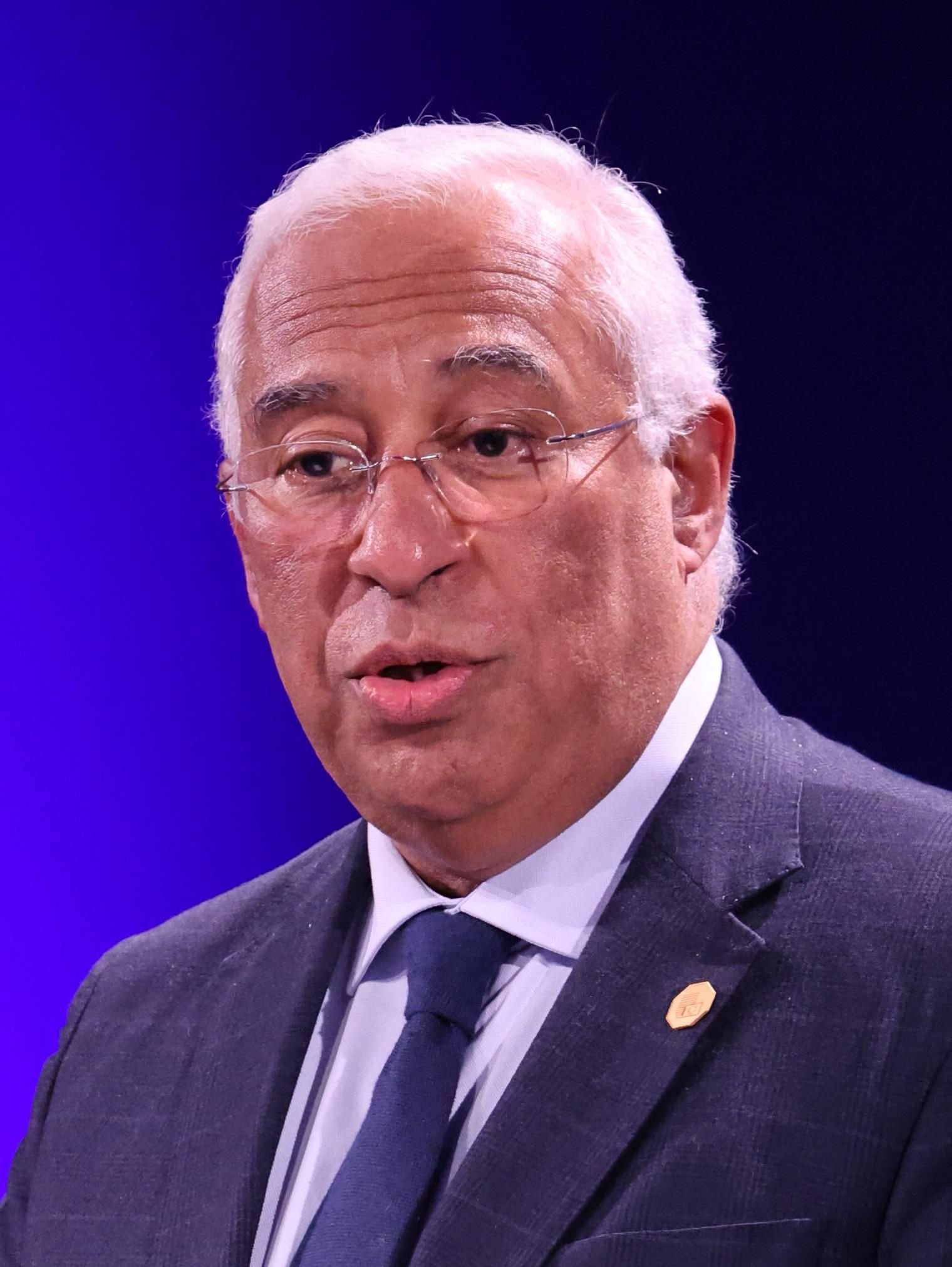
Europe will send a team of diplomats from the European Union and five individual countries to the next round of Ukraine talks, European Council President Antonio Costa said on Friday after a summit of EU leaders in Dublin focused on how to avoid being shut out of negotiations on ending the nearly five-year war.
The continent will be represented by officials from the 27-nation EU bloc and five members of the "Coalition of the Willing" that backs Ukraine: the United Kingdom, France, Germany, Italy and Poland.
"Europe must speak with one clear voice and united voice in all discussions that shape the future of Ukraine and the security of our continent. And this is ultimately a team effort," Costa told a news conference at the end of the EU leaders' meeting in Dublin.
The decision settles, for now, a debate that dominated the summit over whether Europe should be represented by one person or a team. EU foreign policy chief Kaja Kallas pitched herself for the envoy role earlier on Friday, saying, "I'm the one who is representing Europe in the foreign and security policy," but Al Jazeera reported there is not unanimous support behind her, as she is seen by many as uncompromising on Russia. Italian Prime Minister Giorgia Meloni, who supports a single envoy, has argued that the absence of a united European voice has allowed individual countries to engage in freelance diplomacy.
Europe has been concerned that U.S.-backed trilateral negotiations could leave it sidelined and Kyiv vulnerable as Washington and Moscow decide the fate of the conflict. German Chancellor Friedrich Merz pleaded earlier on Friday for U.S. President Donald Trump to create no surprises during expected talks with President Vladimir Putin in China next week, warning of a repeat of the Alaska summit where Europeans were stunned by Trump's overtures to the Russian leader in the absence of Ukrainian or European envoys.
After talks in Moscow with Putin on Thursday, U.S. envoys Steve Witkoff and Jared Kushner said Europe would join future negotiations, but the Kremlin appeared to slow that plan down, saying no decision had been made. Kushner said that if Europe could identify one person to speak on its behalf, "that would be a bigger achievement than getting the Russians to include them in the negotiation." The Kremlin has not confirmed that Putin agreed to expand the trilateral talks to include Europe, and Moscow continues to press for a broad revision of Europe's security architecture before tackling the specifics of the war.
U.S.-mediated talks between Ukraine and Russia in Abu Dhabi this week ended with an agreement on a large prisoner exchange but no major breakthrough on ending the war.