After more than nine years spent in Rome's Rebibbia prison, Francesco Schettino returned to freedom shortly before 8 p.m. on Friday, November 20, leaving the penal institution where he had entered in May 2017, Adnkronos reported.
The former captain of the Costa Concordia cruise ship, definitively sentenced to 16 years and one month in prison for the shipwreck of January 13, 2012, off the island of Giglio, in which 32 people lost their lives, recently obtained probationary entrustment to social services, Adnkronos reported. The decision by the Rome Surveillance Court comes at the end of a rigorous examination of his re-educational path and conduct during detention, according to the report, which cited Quotidiano Nazionale.
Schettino, 66, dubbed Captain Coward, will serve out the remaining seven years of his 16-year sentence on supervised probation after the Rome Surveillance Court's decision, the New York Post reported, citing Quotidiano Nazionale. The measure, regulated by Article 47 of the prison system, does not cancel the definitive conviction or the ascertained responsibilities, but allows the remaining sentence to be served outside prison through a social reintegration program supervised by the Uepe, the Office for External Penal Execution, whose compliance is binding to avoid revocation of the measure and return to cell, Adnkronos reported.
The measure was confirmed by Grosseto lawyer Francesca Carnicelli, who assists Schettino, Adnkronos reported. The satisfaction is great, Carnicelli said, adding that in our opinion all the requirements were met for this alternative measure to be granted, which represents the correct continuation of the path after the conviction, according to the report. The lawyer emphasized that the evaluation by the prison operators was extremely positive, recognizing his effective adherence to the re-educational treatment and the quality of the observed path, Adnkronos reported.
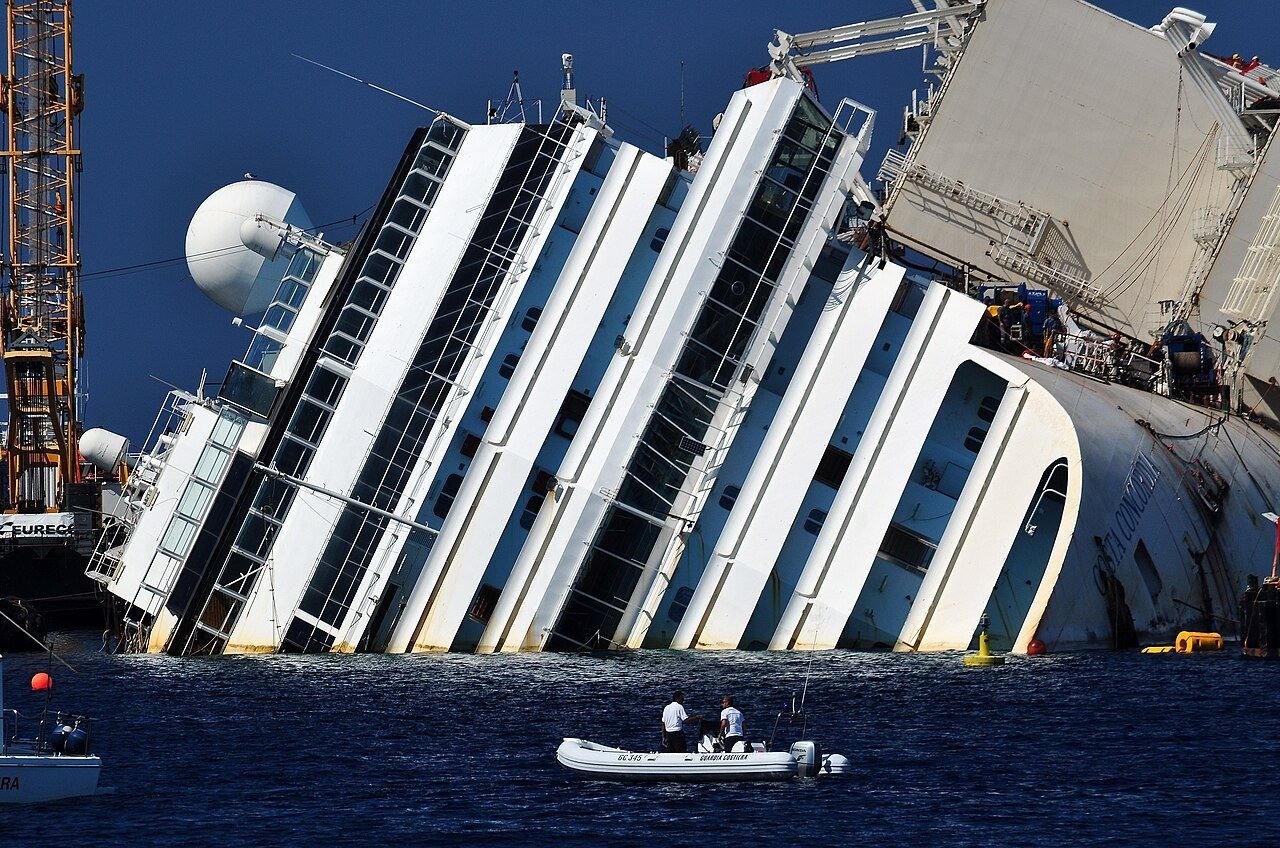
The judicial affair has its roots in the night of January 13, 2012, Adnkronos reported. The Costa Concordia, with over 4,200 people on board, including passengers and crew, was sailing near the island of Giglio when the then captain decided to perform the famous bow, a close pass to the coast to pay homage to the island, according to the report. Shortly before 9:45 p.m., the ship violently struck the Scole rocks, opening a huge gash in its side and causing the progressive flooding of the compartments, Adnkronos reported. The wreck remained off Giglio until July 2014, when it was brought back to Genoa for subsequent dismantling, according to the report.
Schettino was found solely responsible and convicted of manslaughter in the deaths of 32 passengers and crew when the Costa Concordia capsized after ramming into rocks near the Tuscan island of Giglio in the Tyrrhenian Sea on January 13, 2012, the New York Post reported. He was convicted in 2015, and his sentence was upheld in 2017, meaning he had served roughly nine years of the 193-month prison term before his release, according to the Post.
Prosecutors argued Schettino was cowardly in his actions, fleeing on a lifeboat to a safe spot and refusing to return to the partially submerged ship after the wreck, the New York Post reported. Schettino claimed he had fallen onto a lifeboat during the assault of passengers trying to flee the sinking ship, telling La Repubblica he tripped and ended up in one of the boats as the ship was at a 60- to 70-degree angle, according to the Post. During his trial, Schettino claimed he was the scapegoat used by the Italian cruise line, saying his head was sacrificed to serve economic interests, the Post reported.
Defense attorneys unsuccessfully tried to paint Schettino as a hero, saying his delayed order to abandon ship saved lives, the New York Post reported. Autopsies ruled that a majority of the 32 victims had drowned aboard the ship or after falling into the sea during the chaotic, delayed evacuation, according to the Post. The judicial inquiry highlighted not only the gravity of the initial maneuver but also the significant delays and omissions in emergency management and rescue operations during the crucial phases of the evacuation, Adnkronos reported.