WASHINGTON — U.S. Central Command on Friday rejected a series of claims by an Iranian military commander about American naval operations in the Middle East, calling them "false" and "fabricated" as tensions over shipping and the U.S. blockade of Iranian ports continued to escalate.
In a statement posted on X, CENTCOM dismissed assertions by Iranian Navy Commander Adm. Shahram Irani that U.S. forces had seized two Iranian oil tankers and that Iran's Revolutionary Guard naval forces had later retaken the vessels while American troops slept aboard. "Iran no longer has a navy. The entire situation the Iranian military commander described is another fabricated lie," the command said.
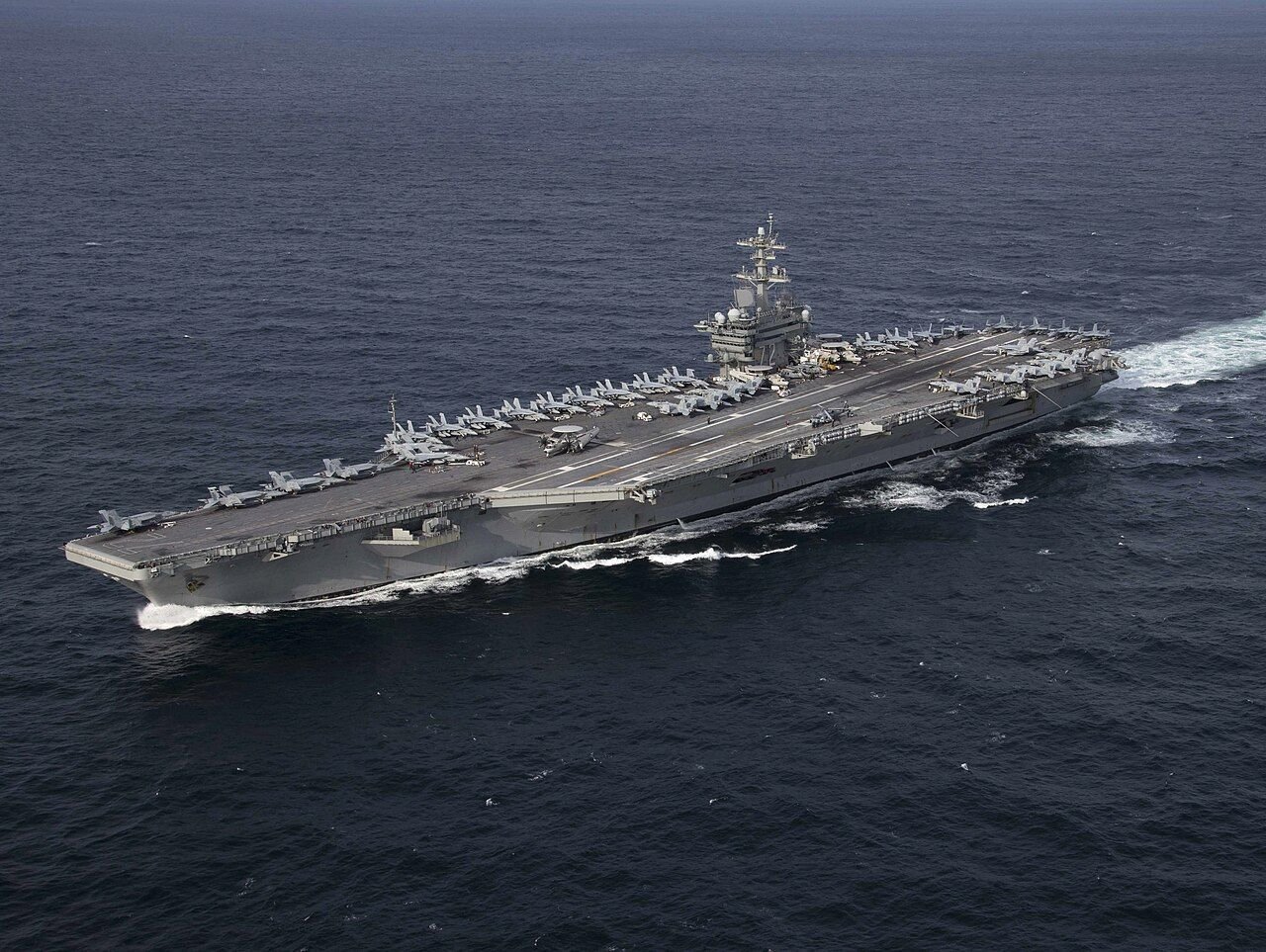
CENTCOM also rejected Irani's claim that Iranian forces had struck the aircraft carrier USS Abraham Lincoln (CVN-72) on the first day of Operation Epic Fury, forcing the United States to seek evacuation assistance from regional countries. The command said the carrier strike group "was well defended and never struck by Iran" and had completed what it called a "historically successful combat deployment" before returning safely to the United States last month.
The command further denied Irani's claim that Washington charges ships $2.5 million to pass through the Strait of Hormuz. CENTCOM said U.S. forces and regional partners control the strategic waterway but impose no toll, adding that "thousands of ships and billions of crude oil barrels have transited the strait freely and safely under US protection."
The rebuttal came a day after CENTCOM announced that a U.S. military aircraft had disabled the Palau-flagged bulk carrier M/V Pacific Archer in the Gulf of Oman on Thursday after it departed the Iranian port of Bandar Abbas and tried to run the U.S. blockade of Iranian ports. The strike disabled the ship's propulsion, and its civilian crew was unharmed. The Pacific Archer is at least the 15th vessel the U.S. military has disclosed disabling since the blockade began, and the sixth since it resumed this summer, according to the Associated Press.
Iran has vowed to break the blockade. An adviser to Iran's supreme leader said Tehran would keep the Strait of Hormuz shut, while the commander of the Revolutionary Guard's Aerospace Force, Majid Mousavi, warned on Friday that Iran's enemies should expect military action "from the air and sea."
Separately, Iran's Revolutionary Guard navy said on Friday that two oil tankers suffered explosions and caught fire after striking naval mines near the mouth of Oman's Khasab port and in the eastern Strait of Hormuz. CENTCOM said it "continues to strictly enforce the blockade," under which U.S. forces have redirected 158 commercial vessels.