OTTAWA — Canada is ending a permit program that let thousands of Americans cross into the country through remote border areas without stopping at a staffed checkpoint, with the change taking effect on Tuesday, December 1.
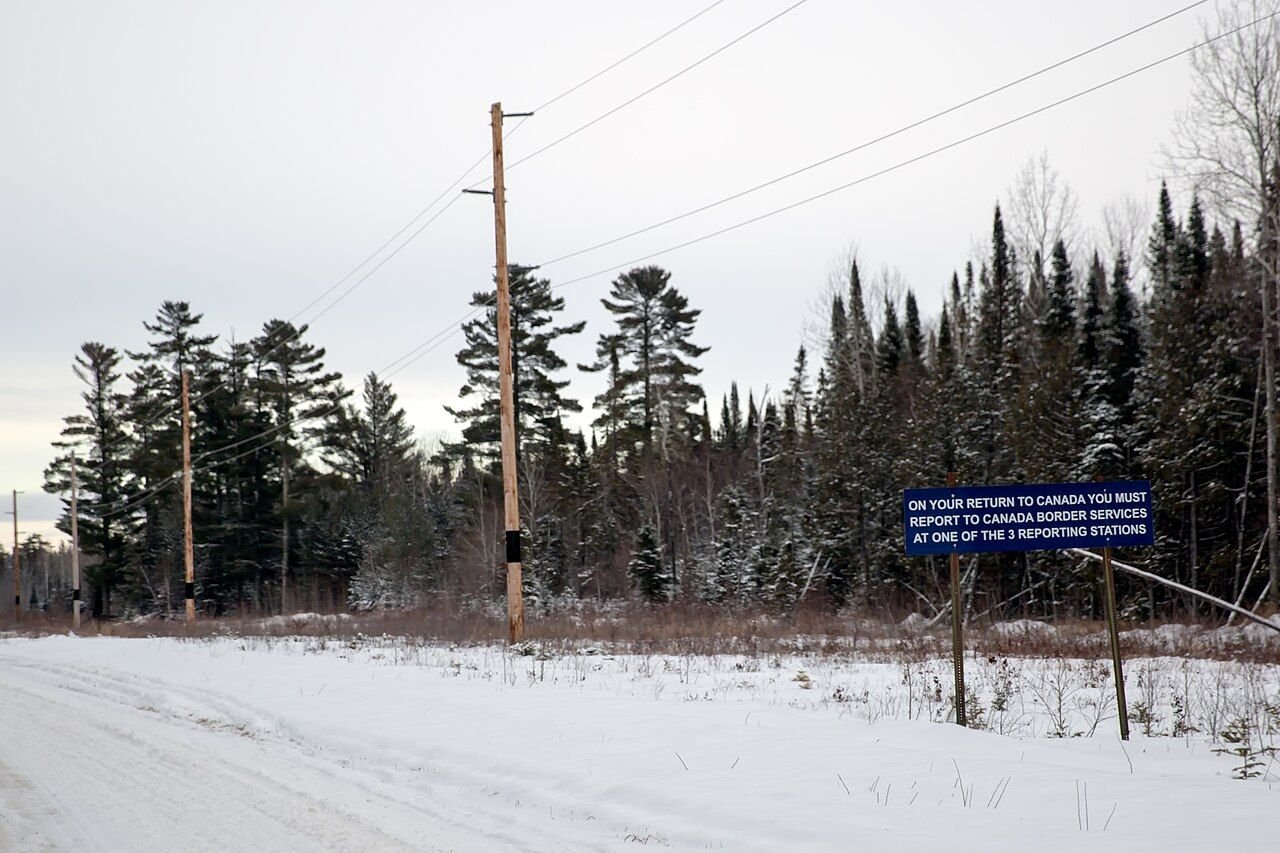
The Canada Border Services Agency said its Remote Area Border Crossing (RABC) program will end at 11:59 p.m. on November 30. Travelers will instead have to report each crossing, either in person at a port of entry or by telephone at a designated reporting site.
About 11,000 people used the program each year, and roughly 90 percent of them were Americans. The program covered remote crossings including Minnesota's Northwest Angle, the route from the Pigeon River through Lake of the Woods, the Canadian shore of Lake Superior, the upper lock system at Sault Ste. Marie and Cockburn Island.
Permits cost C$30 and could cover applicants and qualifying family members. The agency said it is no longer accepting applications and that existing permits will expire on Monday night.
The CBSA said the changes would improve border security and bring Canadian procedures more closely in line with those used by U.S. Customs and Border Protection. It said 17 new telephone reporting sites are already operating at marinas, government docks, fishing resorts and boat launches, with more to be announced after discussions with local and Indigenous communities.
Travelers who fail to report their arrival could face fines, the seizure of goods or vehicles, and potentially criminal charges under Canada's Customs Act, the agency warned. Travelers entering Canada through conventional staffed border crossings will not be affected by the change.