The Council on American-Islamic Relations has suspended its operations in Florida after a federal judge declined to block the state's designation of the Muslim civil rights organization as a domestic terrorist organization.
A bright orange notice posted on the front door of the nonprofit's state headquarters in Temple Terrace, near Tampa, reads: "We have suspended our operations in Florida because of Governor Ron DeSantis and other state officials' baseless and unconstitutional enforcement of the state's new domestic terrorist organizations laws against us."
The shutdown followed a ruling on Wednesday by Chief U.S. District Judge Allen C. Winsor of the U.S. District Court for the Northern District of Florida, who denied CAIR and CAIR-Florida's request for a preliminary injunction that would have temporarily reversed the designation. In a 36-page order, Winsor wrote that the groups were unlikely to succeed at this stage on their claims that the designations under HB 1471, a new state law, violate their due process and First Amendment rights. The underlying lawsuit continues, and the groups say they will appeal.
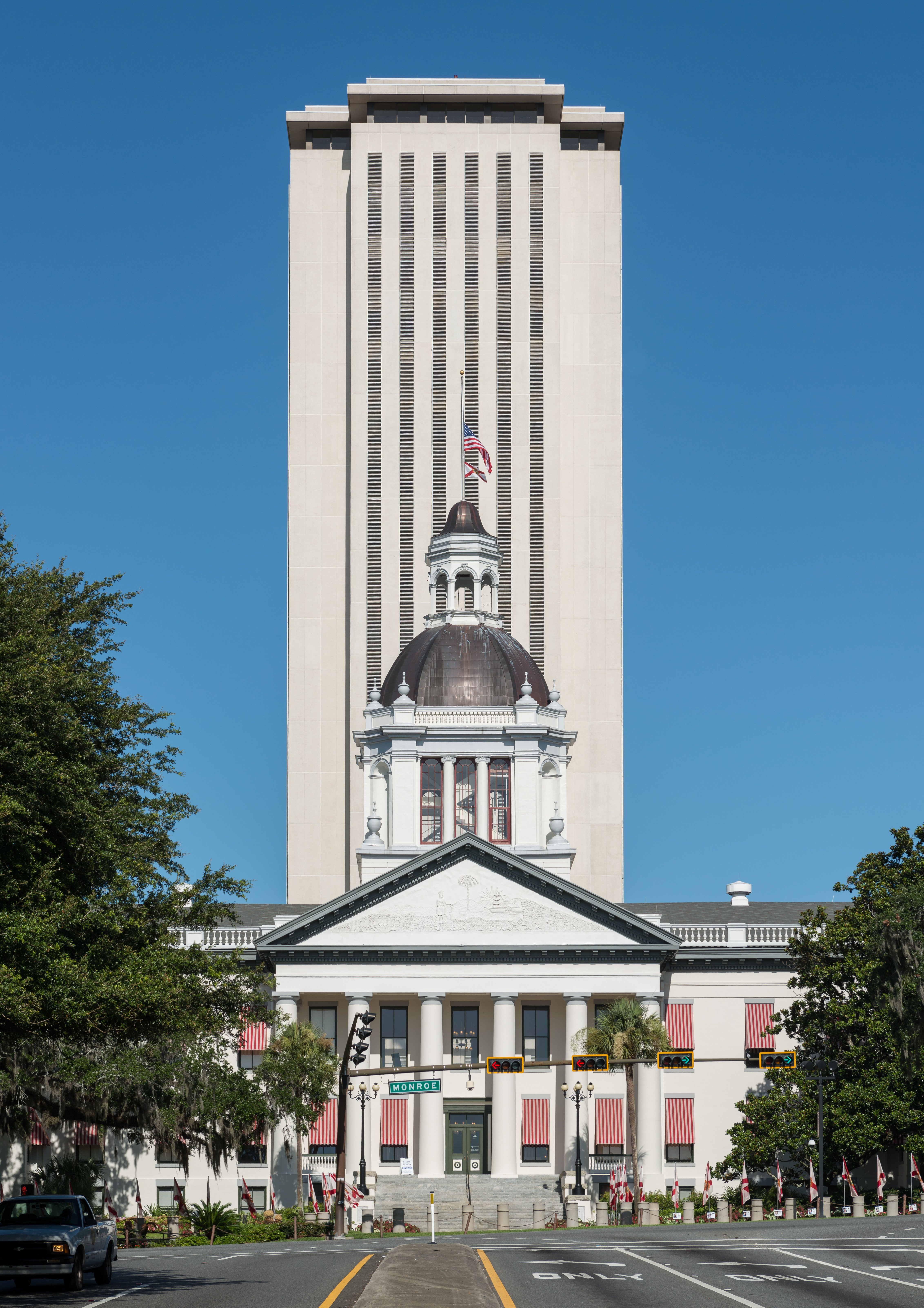
The designation took effect on Thursday, November 5, thirty days after the groups received notice from the state on October 6. Gov. DeSantis and the Florida Cabinet voted on September 29 to designate CAIR and CAIR-Florida as domestic terrorist organizations and the Muslim Brotherhood as a foreign terrorist organization, along with more than 90 other groups designated as foreign terrorist organizations. HB 1471, signed by DeSantis in April, took effect July 1 and gives five Florida executive officials the power to designate groups as terrorist organizations.
CAIR-Florida has already been forced to shut its doors in the state. Its website has blocked access for Florida users since November 4, and the group stopped accepting donations from people living or located in Florida, paused recurring donations, and urged supporters to cancel or pause automatic payments.
Hiba Rahim, executive director of CAIR-Florida until the shutdown, said the group "categorically rejects Florida officials' baseless designation." In his order, Winsor granted the groups limited protection, barring the state from prosecuting the organization, its employees, or third parties providing legal services under Florida's material-support law, conditional on the posting of a $1,000 bond.
CAIR and CAIR-Florida are represented by the ACLU, the ACLU of Florida, the Southern Poverty Law Center, and Bondurant Mixson & Elmore LLP in the ongoing federal challenge.