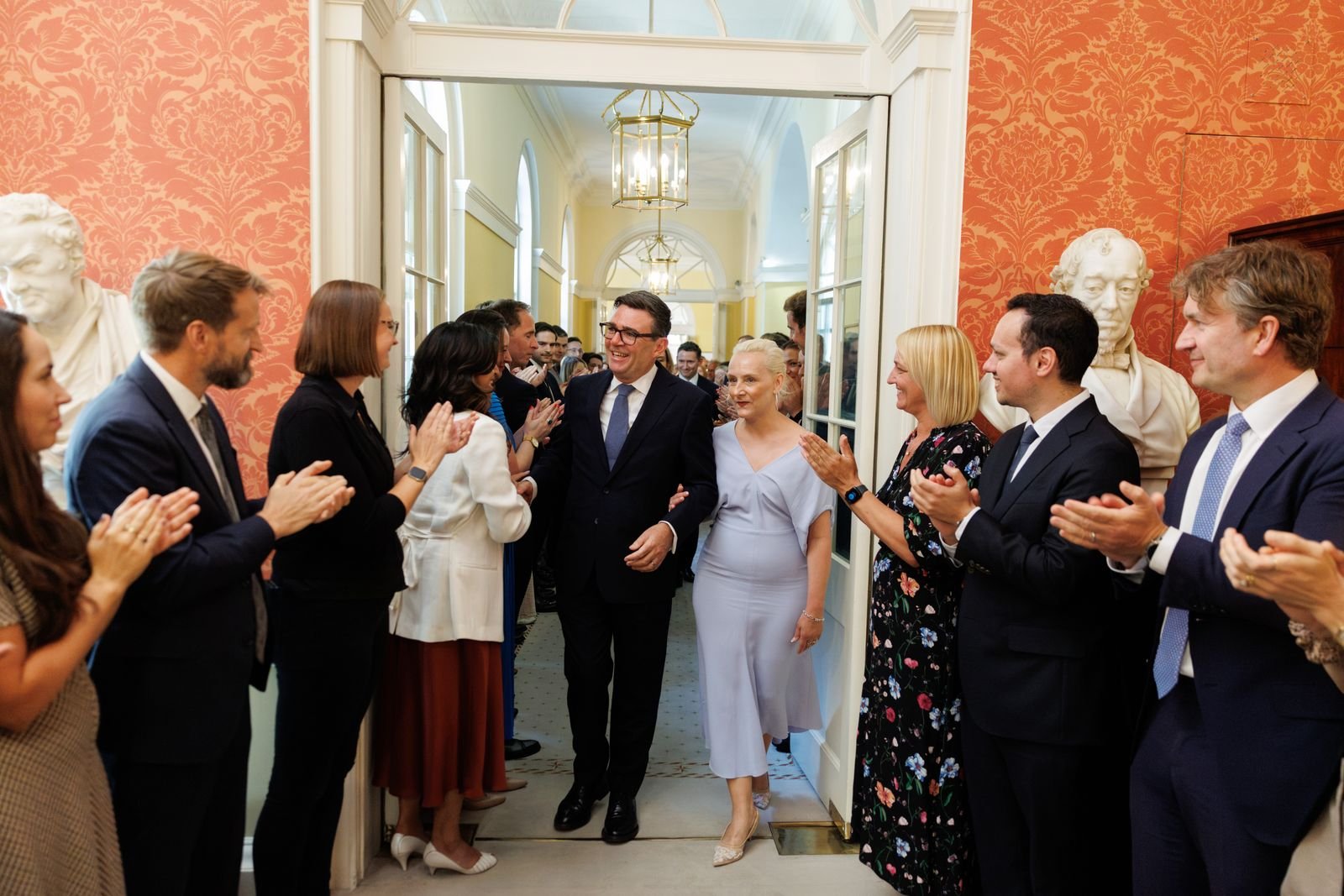
Prime Minister Andy Burnham mingled with European leaders in Dublin on Thursday as Britain and the European Union put the finishing touches on a "reset" deal set to be signed next week. The European Political Community meeting, taking place under Ireland's largest-ever security operation amid growing concerns over hybrid attacks, is focused on Ukraine.
The Dublin gathering is Burnham's first meeting with many European leaders since he entered Downing Street in July, and a timely chance to make his case for closer relations before he meets the EU's top two officials at a Brussels summit on November 20. The talks in Belgium are expected to deliver three main agreements that Burnham hopes will help revive Britain's anaemic economy and lower living costs: a deal cutting red tape for food exports, another linking the two sides' emissions-trading schemes, and a third on a youth experience scheme.
An earlier draft of the youth scheme seen by AFP would allow young people from the EU and the UK to reside for up to three years in each other's territory for work, study or travel. The text is still being negotiated and could change before November 20. The summit is also expected to confirm Britain's return to the Erasmus+ student exchange programme.
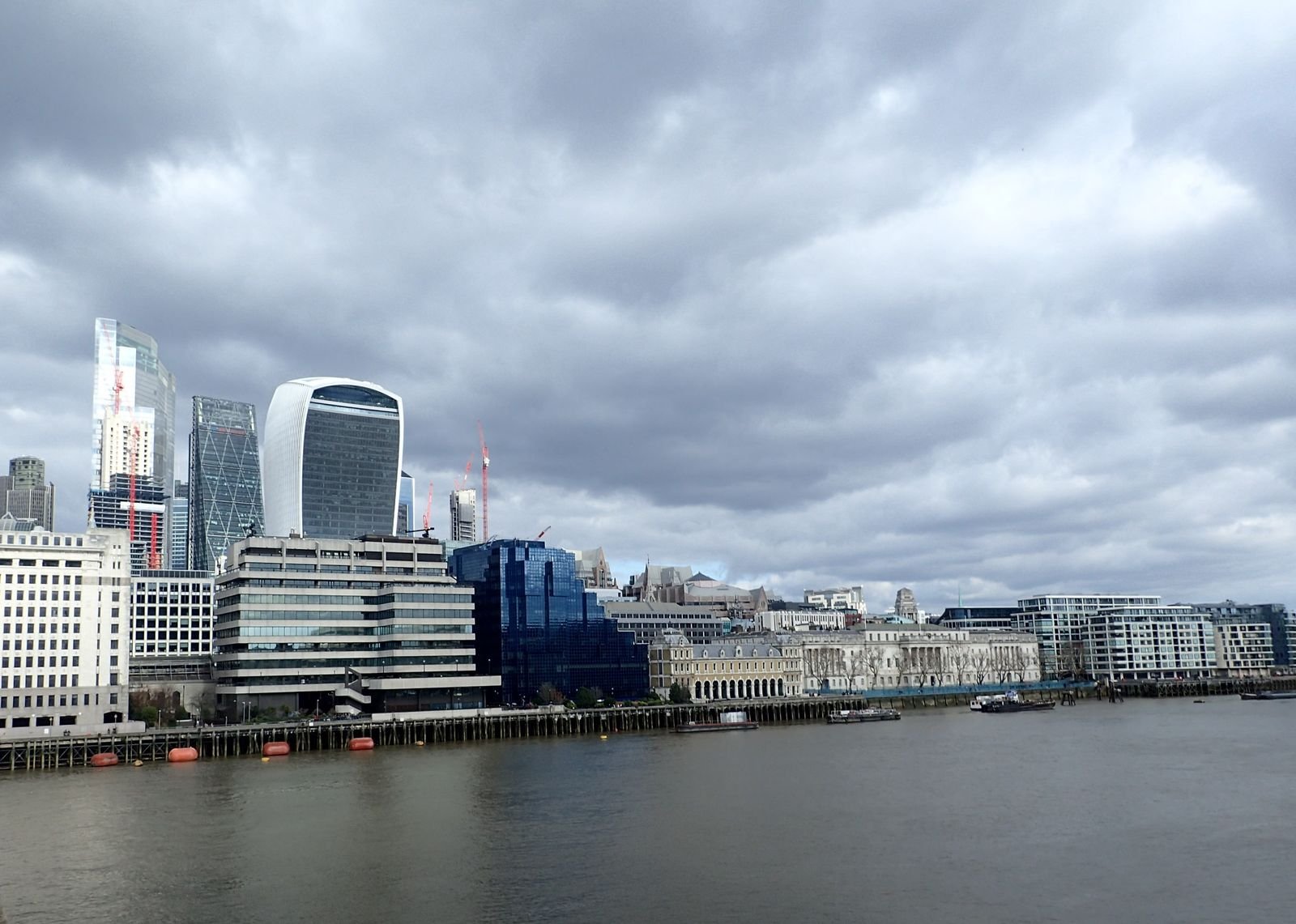
The reset comes with a clear limit. Burnham's government will not accept dynamic alignment of UK financial services rules with the EU, Bloomberg reported this week, making the City of London's independence a red line. The position maintains the approach of the previous government: rejoining the single market would require signing up to financial services rules, and Burnham has said that while an option to rejoin the single market could be offered in a Labour manifesto, fully rejoining the bloc would need a referendum.
Burnham told the Labour Party conference in September that "Brexit has done more harm than good," and has said he wants a closer and more permanent relationship with the bloc. But not everyone in Europe is encouraging him to go further: Norway's prime minister, Jonas Gahr Støre, warned Burnham this week against copying the Norwegian single-market model, citing an "obvious democratic deficit" in taking most of Brussels' decisions without a vote.
The deal has also drawn fire at home, where critics cite an analysis of the leaked draft by economist Catherine McBride putting the cost of the reset at £17.6 billion in 2027, rising to £20.5 billion a year by the 2030s. Polls show most Britons now regret leaving the EU, but even the ruling Labour Party remains divided over how close Burnham should seek to get. In Dublin, the leaders' focus remains Ukraine: President Volodymyr Zelenskyy arrived late Wednesday to meet European leaders, as well as US envoys Steve Witkoff and Jared Kushner, who travel to Moscow on Thursday after two days of talks in Abu Dhabi.