Stocking up on discounted shampoo while grabbing a flat-screen TV and several Lego sets for under the tree. Making a holiday list, comparing style options and delivery dates, and finding the best price with help from artificial intelligence.
Black Friday, the retail industry's version of the Super Bowl, comes with a few twists this year. Brands and stores have promoted steep discounts online and in stores all month, making the day once considered the holiday shopping season's unofficial kickoff seem more like the fourth quarter of a football game.
AI-powered shopping tools and cost concerns fueled by the U.S. war with Iran also are influencing how, where, when and on what consumers are spending, according to industry analysts. When Black Friday deals are available, basics like T-shirts, toiletries and pet supplies are going into shopping carts along with gift items, analysts said.
"Usually, when you think of holiday shopping, it's premium handbags and jewelry and those types of items, but we're fast seeing shoppers also use this season to stock up on the essentials," said Vivek Pandya, director of digital insights at technology company Adobe.
Online spending has beaten expectations so far this holiday season. U.S. consumers spent $82.5 billion online from Nov. 1 to Nov. 22, 9.1% more than during the same three weeks last year, according to Adobe Digital Insights. Adobe predicted that U.S. online sales for the holiday shopping season that runs through Dec. 31 would grow by 6.7% and total $275.1 billion.
The National Retail Federation estimated that higher prices would account for about half of the 4.1% sales growth it expected in stores and online in November and December. The group forecast U.S. shoppers collectively spending $1.01 trillion.
Artificial intelligence is transforming how consumers search for holiday bargains. A National Retail Federation survey found that 49% of holiday shoppers plan to use AI tools this season. Salesforce, which tracks digital spending at a range of retailers, said November discounts are 8% bigger than last year. Walmart CEO John Furner told analysts that customers using the company's Sparky AI assistant spent 40% more per order, while Amazon CEO Andy Jassy said Alexa users spend 50% more than non-users.
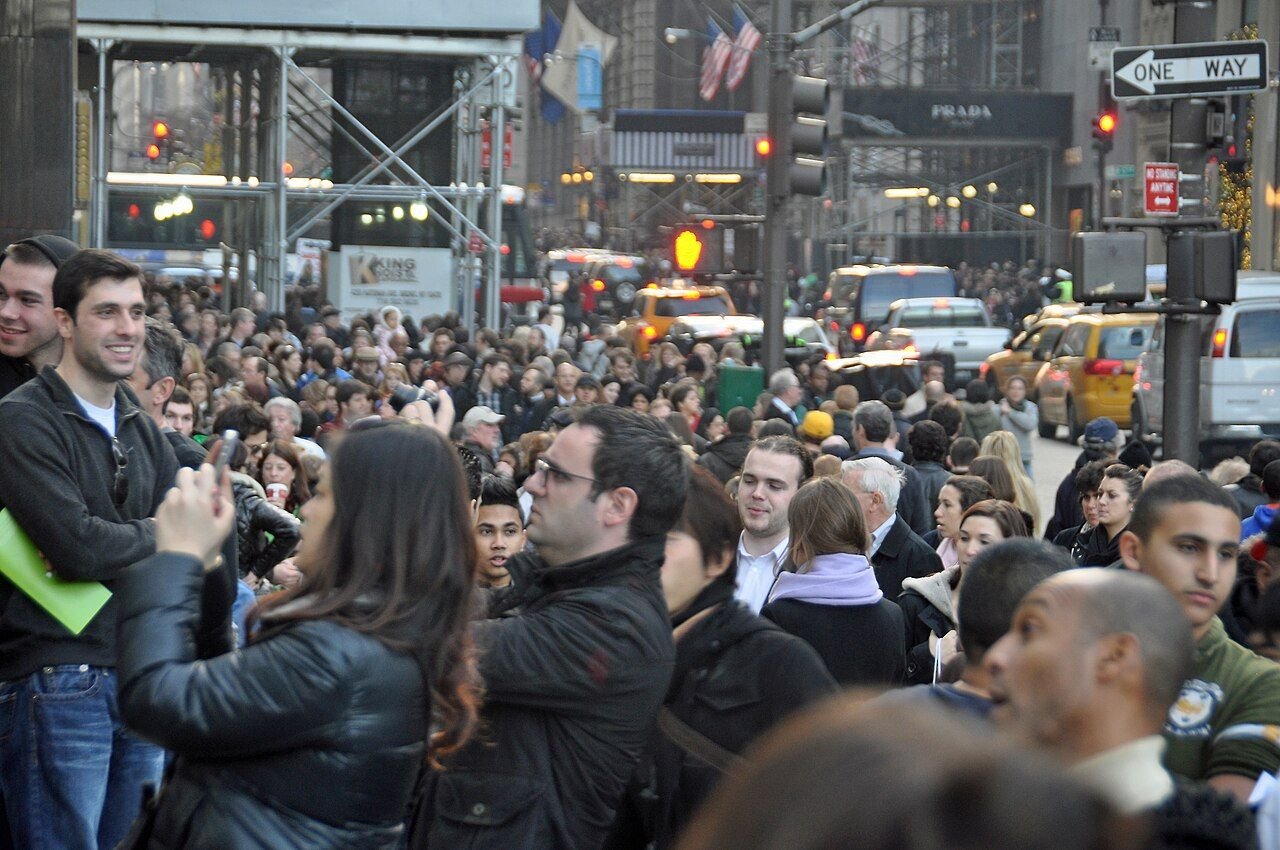
Black Friday still has enough die-hard traditionalists to make it the biggest day of the year for retail foot traffic, according to Sensormatic Solutions, which tracks activity at physical stores. "Black Friday is still the day for in-store shopping," said Grant Gustafson, Sensormatic's head of retail consulting and analytics.
Analysts and economists closely scrutinize retail spending on the five days that begin with Thanksgiving Day and end on Cyber Monday for clues about consumers' financial staying power and retailers' prospects during the crucial holiday period and into the new year.