NEW YORK — Stocking up on discounted shampoo while grabbing a flat-screen TV and several Lego sets for under the tree. Making a holiday list, comparing style options and delivery dates, and finding the best price with help from artificial intelligence.
Black Friday, the retail industry's version of the Super Bowl, comes with a few twists this year. Brands and stores have promoted steep discounts online and in stores all month, making the day once considered the holiday shopping season's unofficial kickoff seem more like the fourth quarter of a football game.
AI-powered shopping tools and cost concerns fueled by the U.S. war with Iran also are influencing how, where, when and on what consumers are spending, according to industry analysts. When Black Friday deals are available, basics like T-shirts, toiletries and pet supplies are going into shopping carts along with gift items, analysts said.
“Usually, when you think of holiday shopping, it's premium handbags and jewelry and those types of items, but we're fast seeing shoppers also use this season to stock up on the essentials,” said Vivek Pandya, director of digital insights at technology company Adobe.
“It's not just a moment where shoppers are buying gifts,” said Caila Schwartz, a retail and consumer insights leader at technology company Salesforce. “They're also buying things that they need, and so that's going to help drive up a lot of the spend.”
Online spending so far has exceeded expectations. U.S. consumers spent $82.5 billion online from Nov. 1 to Nov. 22, 9.1% more than during the same three weeks last year, according to Adobe Digital Insights. Adobe predicted that U.S. online sales for the holiday shopping season that runs through Dec. 31 would grow by 6.7% and total $275.1 billion. The National Retail Federation estimated that higher prices would account for about half of the 4.1% sales growth it expected in stores and online in November and December, and forecast U.S. shoppers collectively spending $1.01 trillion.
U.S. retailers have broadly held the line on prices instead of making big increases across the board, and offered solid discounts that persuaded customers to shop earlier, industry analysts said. Technology company Salesforce, which tracks digital spending at a range of retailers, said November discounts are 8% bigger than last year, and the promotions pushed average selling prices of physical merchandise 1% below last November's prices.
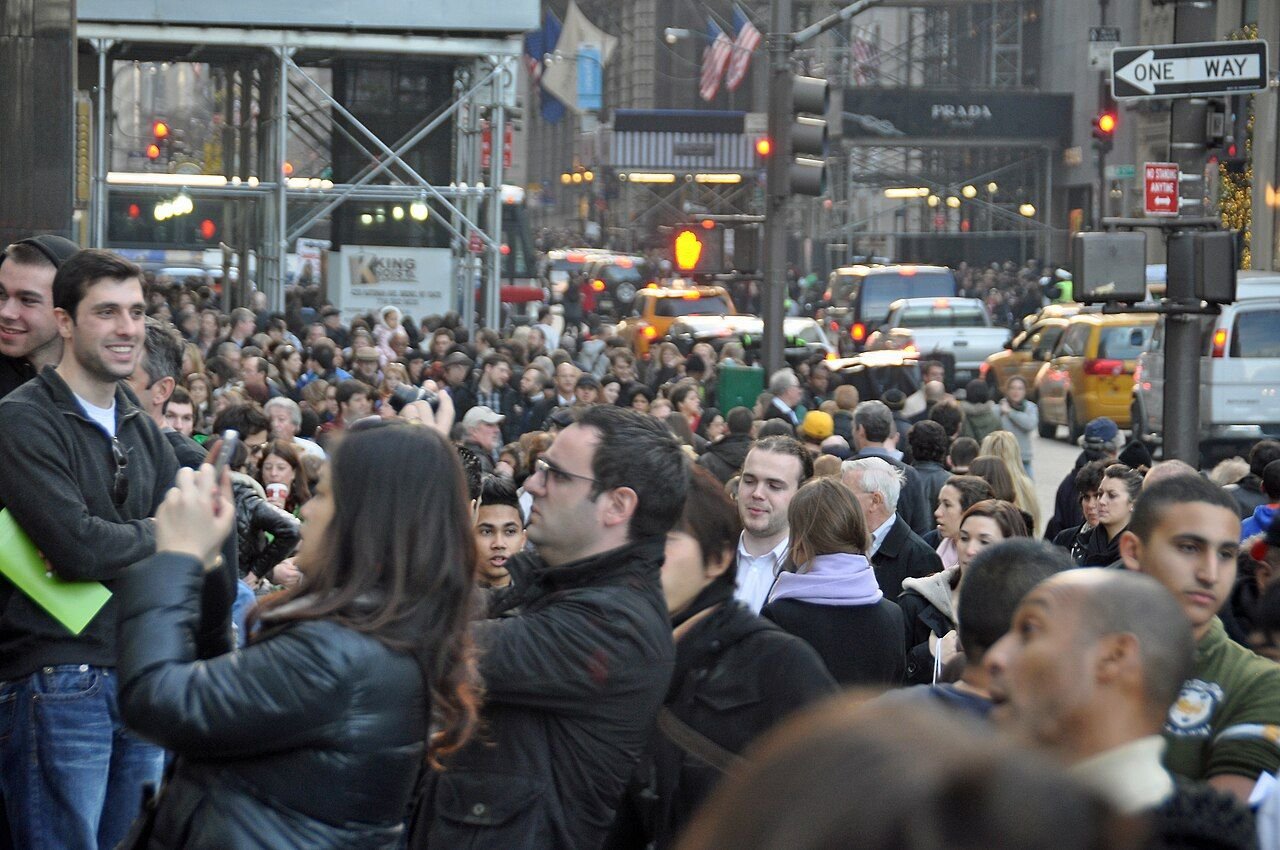
Black Friday still has enough die-hard traditionalists to make it the biggest day of the year for retail foot traffic, according to Sensormatic Solutions, which tracks activity at physical stores. “Black Friday is still the day for in-store shopping,” said Grant Gustafson, Sensormatic's head of retail consulting and analytics.
This year's holiday shopping takes place in a U.S. economic environment marked by lackluster consumer confidence, high inflation and shoppers who have kept spending regardless. The good news for retailers is that consumer confidence jumped this month as U.S. gasoline prices continued a steady decline.