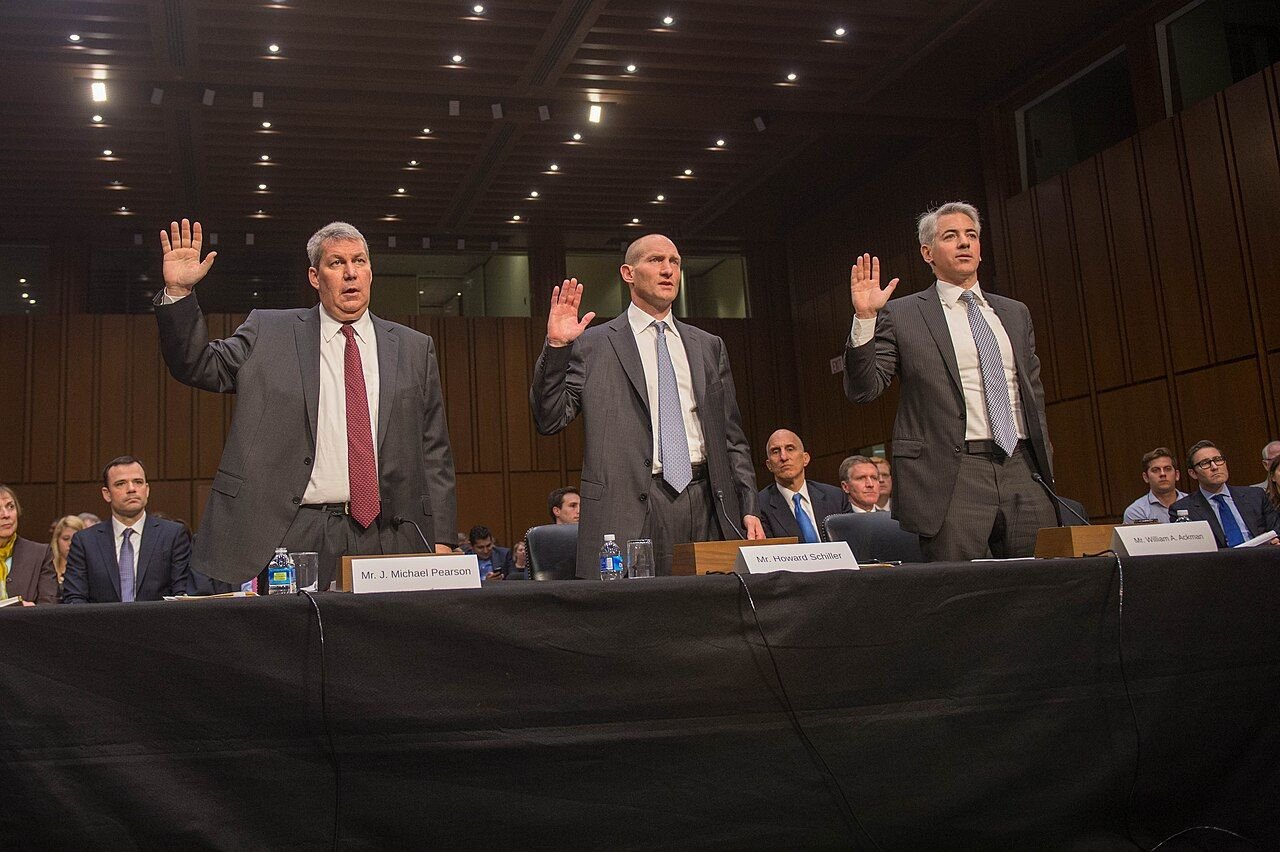
Billionaire investor Bill Ackman's Pershing Square sold 2,141,951 Microsoft shares in the third quarter, cutting its reported stake by 34.5 percent — from 6,206,730 shares to 4,064,779 — according to a Form 13F filed on Monday, November 16. The reported value of the holding fell to $2.08 billion from $2.32 billion, even though Microsoft's share price rose by more than a third during the quarter.
The sale is not what it looks like on paper. Ackman disclosed on X on Wednesday, November 18, that the firm had bought options on two million Microsoft shares in July, with a strike price of about $310 and a term of two and a half years. Counting those deep-in-the-money contracts, Pershing's exposure slipped only about 2 percent, from roughly 6.21 million shares to about 6.06 million. Ackman said he remains bullish on Microsoft and believes the stock is undervalued.
Microsoft reported revenue of $92.3 billion for its fiscal first quarter, ended September 30, up 19 percent from a year earlier.
The fund's new bets are sizeable. Pershing disclosed a 14.7 million-share stake in Alcon, one of the world's leading eye-care companies, valued at $954 million at the time of the filing, in a Form 13-D filed last week. Alcon, spun off from Swiss drugmaker Novartis in 2019, has grown earnings about 8 percent a year since the spin-off, and Ackman sees an aging population lifting demand further.
Pershing also revealed a 6.6 million-share stake in Intercontinental Exchange, the financial infrastructure and data company, worth more than $1 billion. Ackman and Chief Investment Officer Ryan Israel called ICE a “classic, simple, predictable, free-cash-flow-generative business” that had sold off on concerns they view as unwarranted, after the stock shed 21 percent of its value in the year before the purchase.
As it piled into the new positions, Pershing closed out Hertz entirely. The fund held nearly 15 million shares in the rental-car company during the second quarter, a stake valued at roughly $34 million, and exited after Hertz unveiled an equity offering Israel called “bungled” and “unlike anything we’d seen a company do before.”