The U.S. Army has postponed controlled explosions of a degraded lead compound in Iowa that had been scheduled for Friday, after nearby residents protested and environmental groups filed a lawsuit, Reuters reported.
Acting Army Secretary Adam Telle announced on X that the detonation at the Iowa Army Ammunition Plant in Middletown would be postponed until Monday, Nov. 23, which he described as the latest possible moment before a forecast temperature drop that would risk further destabilization of the material. "Public safety is the Army's top priority," Telle said, adding that the Army would continue to actively engage with state and local officials throughout the region to distribute accurate, up-to-date information.
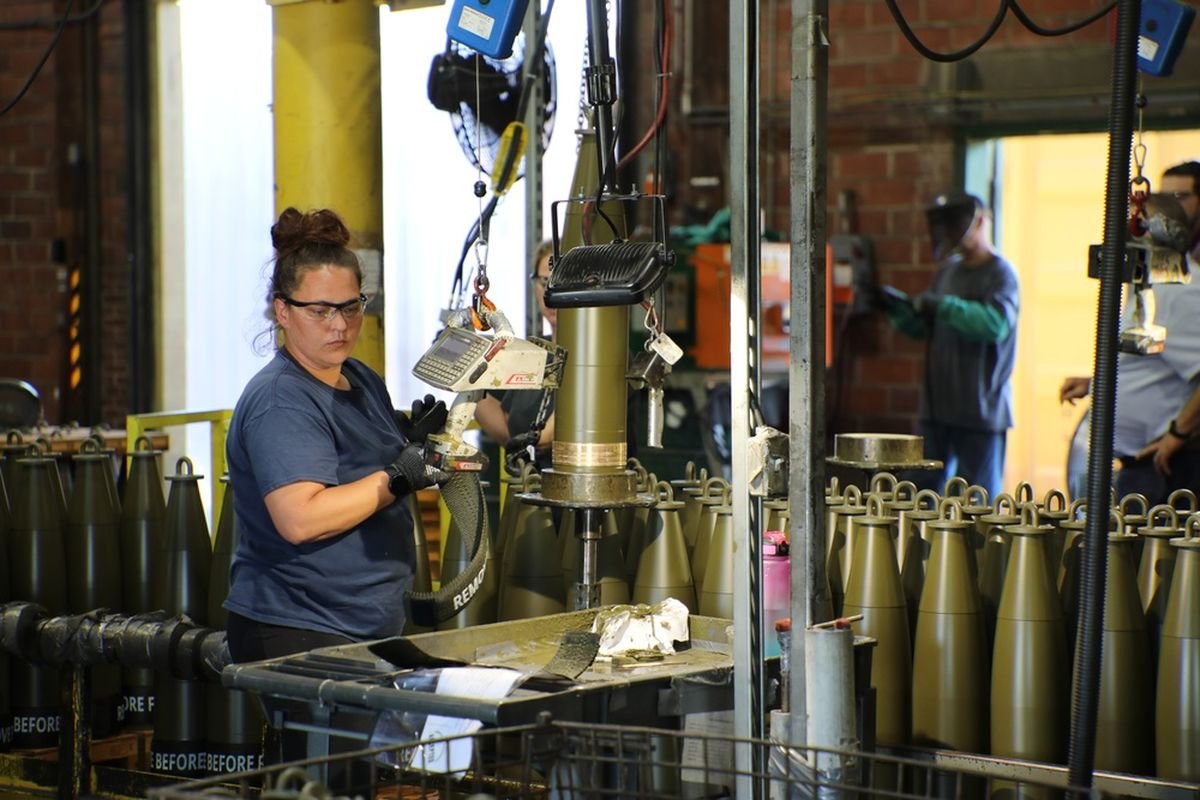
The stockpile consists of 68 drums of lead azide, a compound used in detonators, stored at the plant for more than 20 years. The Army uncovered the degraded material in March and began informing local officials about the danger it posed. The office of Iowa Sen. Chuck Grassley said the Army was concerned a spontaneous explosion of the lead azide would be "catastrophic" and saw two controlled blasts as the safest way to dispose of the stockpile. Army modelling warned the blasts could release a plume of toxic lead dust extending up to 100 miles northeast, potentially reaching communities in Iowa and Illinois.
In an emergency motion filed on Thursday, the Iowa Environmental Council and the Sierra Club asked the 8th U.S. Circuit Court of Appeals to halt an Environmental Protection Agency permit allowing the destruction. The groups argued the disposal method would disperse toxic lead dust over a broad area and that the EPA failed to require sufficient safeguards or adequately evaluate alternatives while denying the public a meaningful opportunity to comment. The EPA permit imposed numerous conditions, including public notifications, blast-containment measures and corrective action for any contamination resulting from the blasts.
Local opponents, some of whom had been advised to leave their homes during the operation, complained they were given insufficient warning. A small group staged a protest on the highway near the facility on Wednesday, and some local politicians, including Gov. Kim Reynolds, urged a postponement. Jill Holler, who organized Wednesday's protest, said she was disappointed the delay was only for three days.