A federal appeals court has blocked the Trump administration from obtaining a sweeping set of journalists’ LinkedIn records in a national security leak investigation, ruling that the government’s demand was too broad and would deal a damaging blow to First Amendment freedoms.
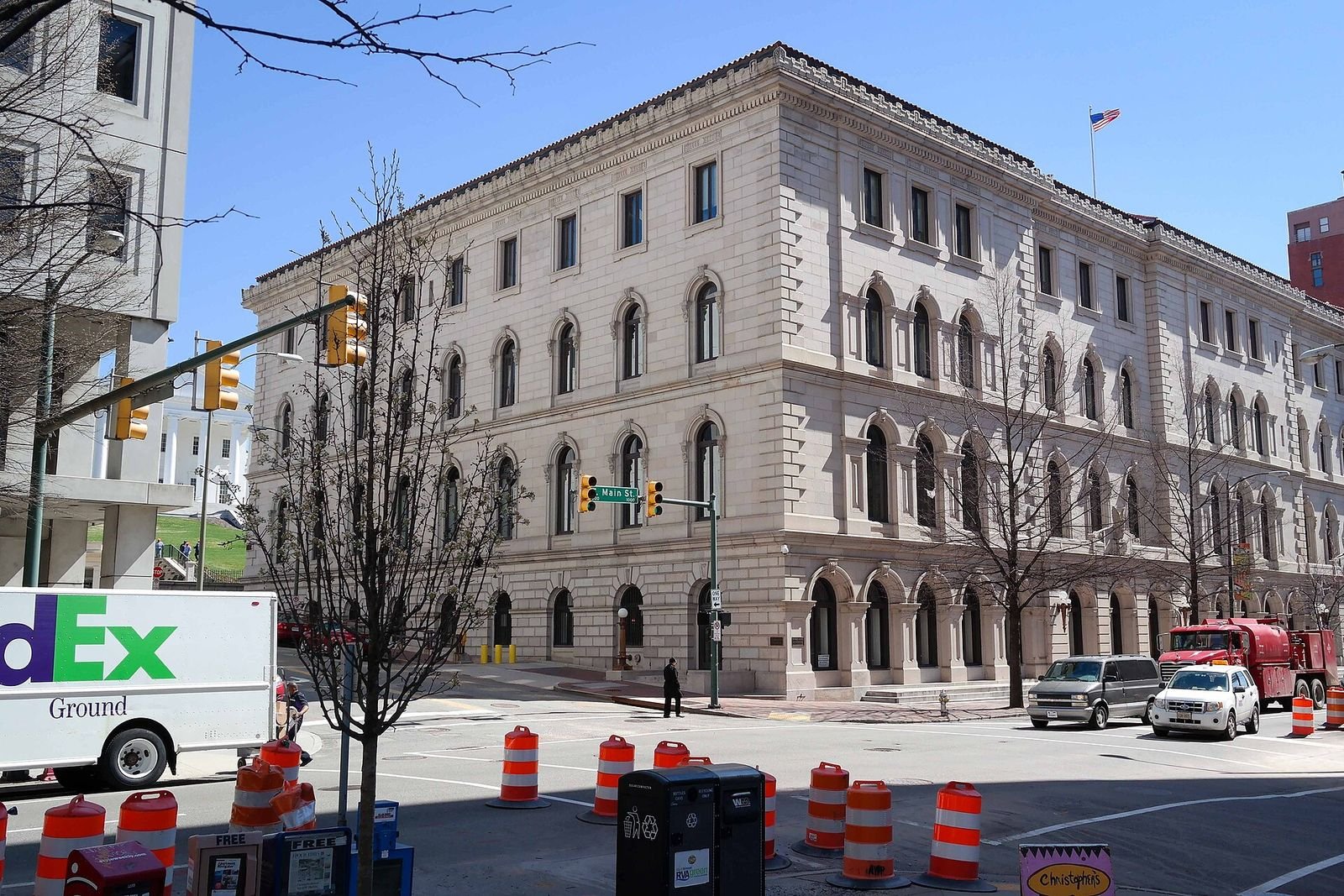
A unanimous three-judge panel of the US Court of Appeals for the Fourth Circuit ruled on Tuesday that the government is not entitled to a “blanket” order requiring LinkedIn to disclose a broad array of user records belonging to the journalists, whose employer is not identified in court records. Writing for the panel, Judge J. Harvie Wilkinson III, a Reagan appointee, said the request was “substantially overbroad” and sent the case back to a lower court to narrow the order.
“A request by the government to scoop up reporters’ records wholesale and ascertain the identity of their sources would tip the balance against informed discourse in a manner inimical to democratic health,” Wilkinson wrote in the court’s unanimous opinion.
The Justice Department had sought LinkedIn metadata records — showing who the journalists communicated with, but not the content of messages — from six journalists covering an 18-month period, encompassing close to 1,900 interactions, according to Politico. The targeted journalists had published nearly 1,000 articles during that time, with less than 5 percent having anything to do with the national security leak the government presented. The order would have unmasked every confidential source the journalists communicated with on LinkedIn over that span.
LinkedIn initially challenged the Justice Department’s November 2025 demands in federal court in the Eastern District of Virginia, which ruled in favour of the Trump administration in June. The company then appealed to the Fourth Circuit. The appeals panel rejected LinkedIn’s request to quash the district court’s order entirely, but ruled that the government’s access must be narrowed and that the district court must weigh the First Amendment implications.
The panel also criticised a secrecy order obtained by the Justice Department that barred LinkedIn from divulging any details of the case to the affected journalists for at least one year, saying it poses an “obvious” risk to both the journalists and their news outlets’ First Amendment rights by keeping them “entirely in the dark.” The leak investigation concerns an article published by an unidentified news organisation about a top-secret US military operation in a foreign country, revealing classified information.