Three men have been charged in the United States with using artificial intelligence to impersonate corporate executives and lawyers in a fraud scheme that prosecutors say stole about $129 million from companies around the world.
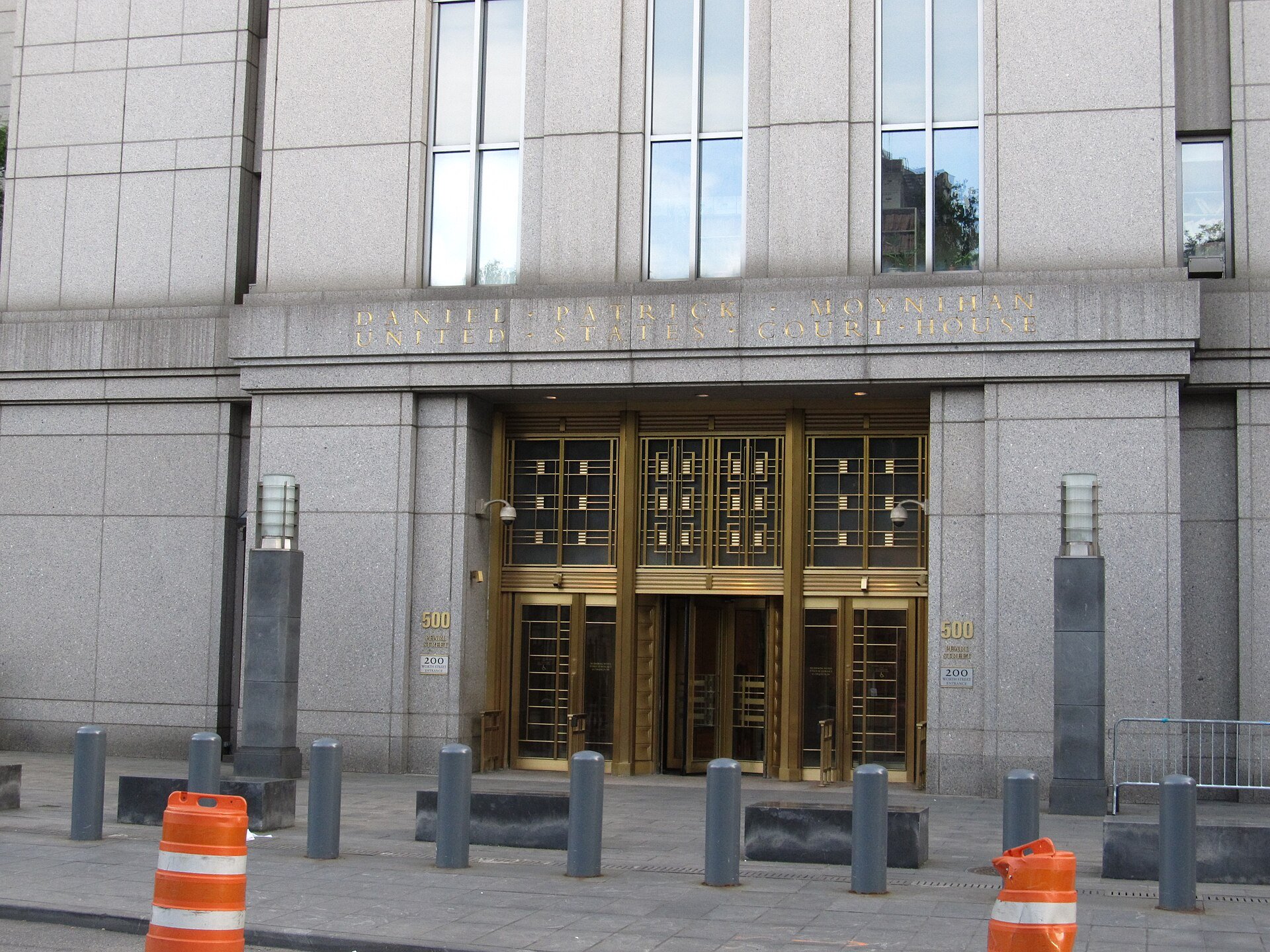
Jacob Soall, 41, Sharon Hazan, 54, and Guy Sheetrit, 42, were indicted in federal court in Manhattan, according to an indictment unsealed on November 5. Prosecutors say that between 2024 and early 2026, the men targeted thousands of companies, posing as chief executives and law-firm attorneys to persuade employees to wire money to accounts the group controlled.
The scheme typically began with an email posing as a company's chief executive, asking an employee to help with a confidential financial transaction. The request was followed by a phone or video call in which the defendants used AI to mimic the executive's voice and, in some cases, image. A supposed lawyer would then direct the payment.
The victims identified in court documents included hospital systems in Missouri and California, a bank in Rhode Island, a financial technology company in the United Kingdom, a mutual fund company in Massachusetts and a pet food company in Florida. Prosecutors said the identified losses included $11.6 million from the British financial technology firm, $5.2 million from the Florida pet food maker, $4.8 million from the Missouri hospital system, $4.6 million from the Massachusetts mutual fund, nearly $3 million from the California hospital system and $2.7 million from the Rhode Island bank.
The three defendants, who are from Spain, the United Kingdom, Israel and the United Arab Emirates, were arrested between June and September — Soall and Hazan in Spain, Sheetrit in Britain — and the United States is seeking their extradition. Hazan was previously convicted in a New York court in 2008 of conspiracy to commit bank fraud.
Each faces seven counts, including wire fraud, aggravated identity theft and money laundering, with maximum sentences of up to 20 years per count and a mandatory additional two years for aggravated identity theft. The charges are allegations, and the defendants are presumed innocent unless proven guilty. FBI Assistant Director in Charge James C. Barnacle Jr. said the case showed how advanced technology could be used to commit large-scale fraud.