Interior Department Proposes Energy-Friendly Reforms for Western States
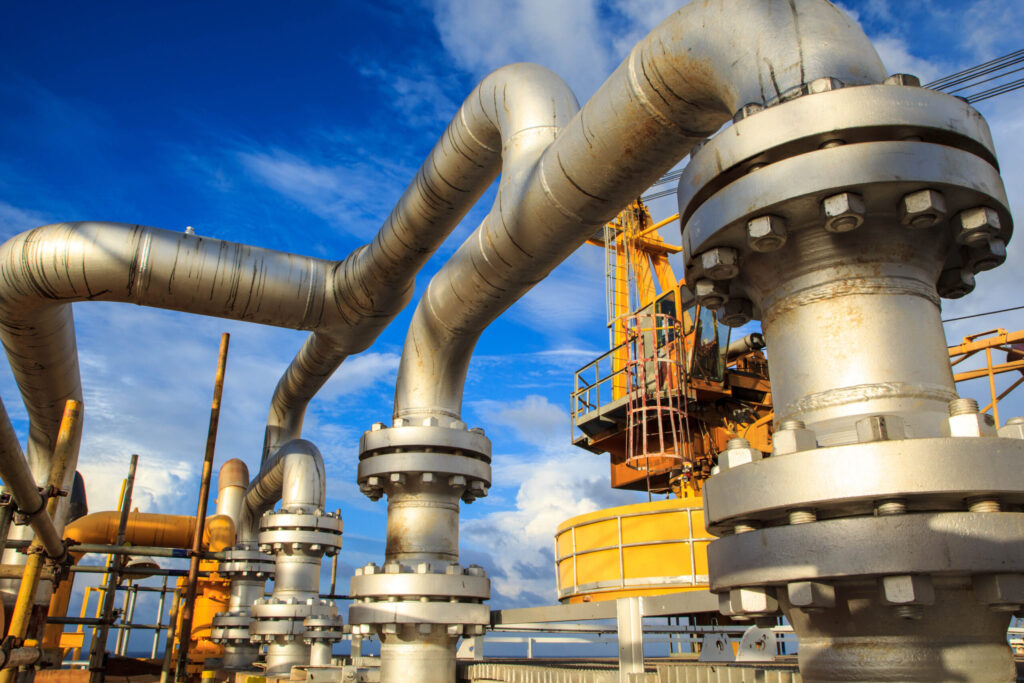
US Oil and Gas Production, In a move that could unlock billions of dollars in oil and gas output, the U.S. Department of the Interior has proposed new rules aimed at simplifying energy operations on federal and tribal lands. These changes could lead to greater energy efficiency, higher production, and more revenue for the government and tribal communities.
The focus? Commingling oil and gas from multiple leases using one well pad — a practice that was heavily restricted under outdated regulations.
Trump-Era Directive Sparks Policy Overhaul
This proposed rule is rooted in the Trump administration’s tax reform law, which instructed the Interior Secretary to modernize commingling policies. By removing unnecessary barriers, the department seeks to enhance production in the western U.S., where complex mineral ownership structures often stall energy development.
Secretary Doug Burgum said it clearly:
“These updates will help us manage public resources more efficiently, support responsible energy production, and ensure taxpayers and tribes get every dollar they’re owed.”
Industry Could Save Up to $1.8 Billion Annually
The Interior Department estimates the new rule could save the energy industry up to $1.8 billion every year. These savings would come from reduced infrastructure costs, quicker project approvals, and more effective resource management.
Producers could now avoid building redundant facilities and focus instead on drilling and production, using shared well pads to extract from multiple adjacent leases.
Western Energy Alliance Cheers the Proposal
The Western Energy Alliance, a key voice for oil and gas producers in the Rockies, applauded the effort.
“This is one of the fastest ways to boost onshore production,” a spokesperson said. “Too many good projects have been stuck for years due to unnecessary regulatory complexity.”
By adopting a more streamlined approach, the Alliance believes this rule could reignite exploration efforts, especially on projects that have already cleared other permitting hurdles.
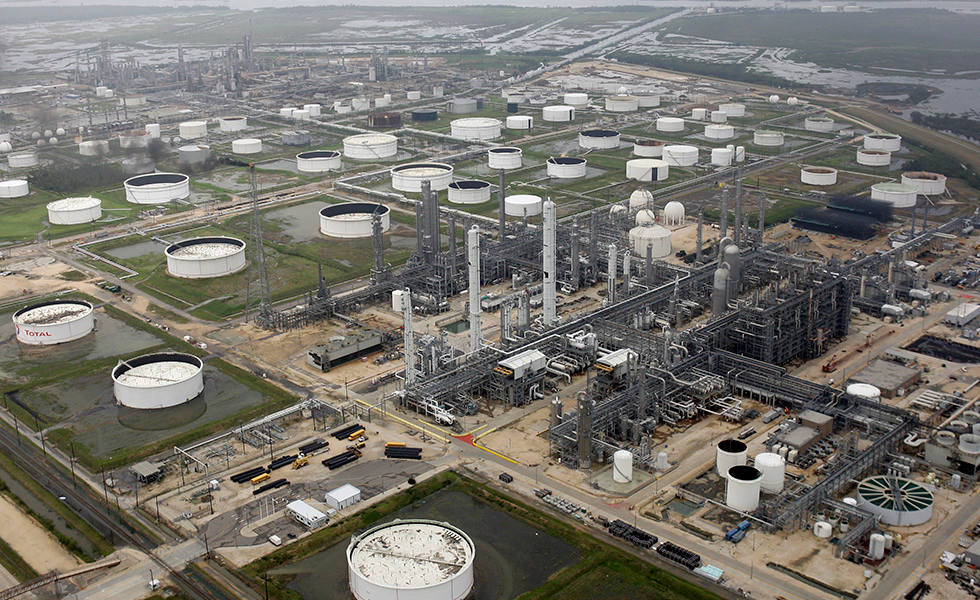
New Era for Public and Tribal Land Energy Projects
The proposed rule brings major benefits to tribal communities and federal landholders:
-
More accurate tracking of royalties
-
Faster return on mineral investments
-
Better use of public and tribal land resources
Modernizing these rules ensures fair compensation while also encouraging investment and infrastructure development in underserved regions.
Balancing Efficiency with Oversight
One of the biggest improvements in the rule is its focus on better tracking. By lifting old restrictions, producers will still be required to monitor production volumes, maintain accurate data, and distribute royalties correctly.
This modern approach replaces rigid, outdated systems with smarter oversight — without slowing production or innovation.
America’s Energy Future Recharged
This move is just one part of a broader effort to reclaim American energy dominance — a core priority of President Trump’s administration. With growing global demand and geopolitical uncertainty, ensuring affordable, domestic energy is more critical than ever.
Combined with other recent energy reforms, this proposal strengthens America’s position as a global leader in oil and gas production.
Conclusion: Smarter Rules, Stronger Results
The Interior Department’s proposal reflects a smart, strategic upgrade to outdated energy regulations. It simplifies operations, boosts output, and empowers both industry and government to succeed.
With strong support from energy producers and tribal leaders, the rule is expected to reshape how America develops its most valuable resources — efficiently, responsibly, and profitably.
The future of American energy starts now, and it starts in the West.
For more latest news checkout our website: latestglobalinsight