The United States government has entered a partial shutdown after lawmakers in the Senate failed to pass competing stopgap funding bills before the midnight deadline. Funding officially lapsed at 00:01 EDT (04:01 GMT) on Wednesday, triggering the first shutdown since 2018.
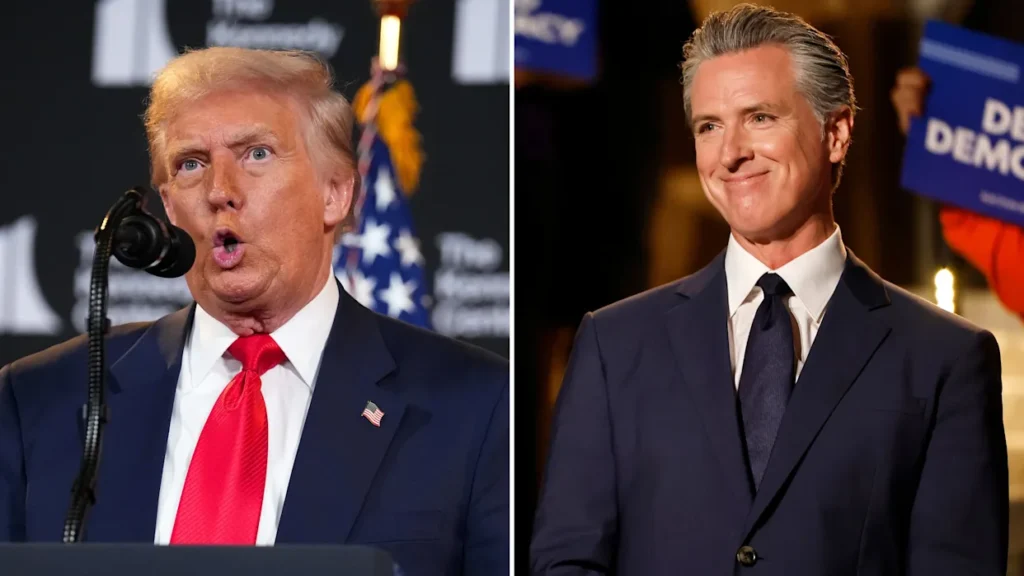
President Donald Trump has indicated he may use the shutdown to push through measures that could permanently reshape the federal workforce, warning of cuts that Democrats have described as unprecedented. Speaking at the White House on Tuesday, Trump suggested the funding lapse could allow him to “do things that are bad for Democrats” by eliminating programs they favor and laying off federal workers.
Essential services, including military operations, law enforcement, and air traffic control, will continue, though personnel will not be paid until funding is restored. Social Security and food assistance will remain active, but many government functions deemed non-essential—such as the release of key economic data and small business loan approvals—will be suspended.
Unlike past shutdowns, where furloughed employees were later granted back pay, Trump has threatened to fire “a lot of people” outright. Critics, including Richard Painter, former ethics lawyer under President George W. Bush, argued that much of what Trump has proposed is not authorized under federal civil service protections.
The shutdown followed weeks of deadlock between Republicans and Democrats. Democrats blocked a Republican bill that would have extended funding for nine weeks, insisting it also include expanded healthcare provisions and a reversal of Medicaid cuts in Trump’s “One Big Beautiful Bill Act.” Republicans, in turn, rejected a Democratic proposal to fund the government through October while boosting healthcare spending by over $1 trillion.
Both measures fell short in the Senate on Tuesday night, leaving Congress unable to break the impasse. Several lawmakers crossed party lines in the votes, but not enough to secure the 60-vote threshold needed for passage.
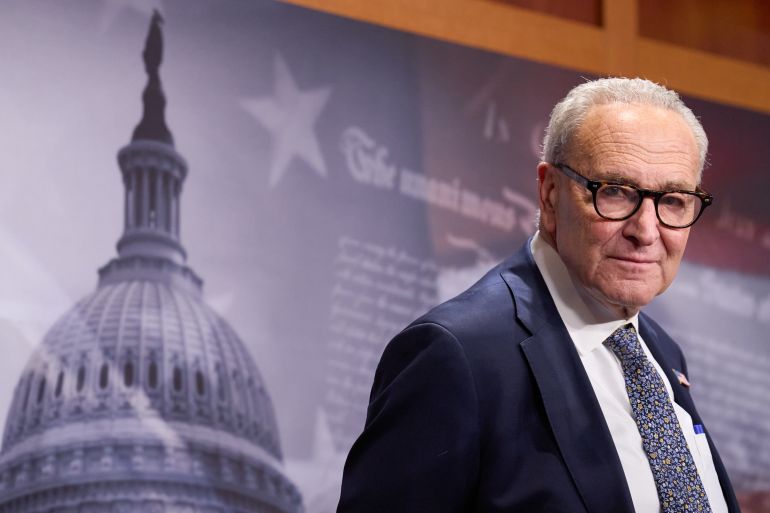
Democrats swiftly placed the blame on Republicans, with Senate Minority Leader Chuck Schumer calling it a “Republican shutdown” caused by their refusal to protect healthcare programs. House Democratic leader Hakeem Jeffries accused Republicans of “hurting everyday Americans.”
The White House, meanwhile, used social media to label the funding lapse a “Democrat Shutdown,” continuing the partisan blame game.
Republican Senate Majority Leader John Thune expressed optimism that a new vote could succeed if Democrats reconsider. “This was all unnecessary,” Thune said, blaming Democrats for yielding to pressure from their base.
The current shutdown marks the 15th since 1980. The longest in history lasted 34 days during Trump’s first term, from late 2018 into early 2019. With no immediate resolution in sight, uncertainty looms over how long this shutdown will continue—and how far Trump will go in carrying out his threats.