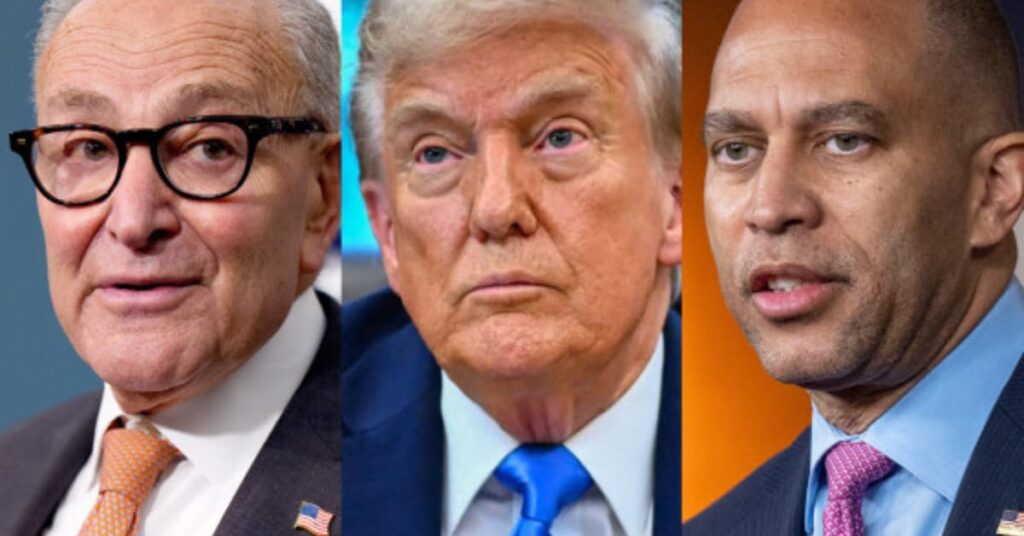
President Donald Trump is set to meet with Democratic leaders Chuck Schumer and Hakeem Jeffries this week to discuss funding the government and potentially avert a shutdown. The meeting comes as the September 30 funding deadline approaches, with both parties holding differing views on how to proceed.
Background of the Government Shutdown
The current funding bill is set to expire on September 30, and lawmakers are struggling to reach a bipartisan agreement to keep the government open. Congress has failed to pass legislation to keep the government running after deadlocked voting, raising the threat of a shutdown that would leave government workers unpaid and a wide range of services disrupted.
Key Issues at Stake
– Healthcare Programs: Democrats are pushing to preserve healthcare programs, including extending enhanced health insurance subsidies under the Affordable Care Act, which are set to expire at the end of the year. They also want to restore funding cuts to Medicaid, a healthcare program for low-income Americans.
– Funding Bill: Republicans have proposed funding the government at current spending levels through November 21 but preserve cuts to previously appropriated spending, which has drawn criticism from Democrats.
The Meeting Between Trump and Democratic Leaders
The meeting between Trump and Democratic leaders is a critical opportunity to find a solution and avoid a government shutdown. Trump had expressed openness to meeting with Schumer and Jeffries, saying, “I’d love to meet with them, but I don’t think it’s going to have any impact.” The meeting is scheduled for Thursday, and both parties are expected to engage in intense negotiations.
Potential Impact of a Shutdown
If a shutdown occurs, mandatory services like the Border Patrol, Postal Service, and Social Security would continue, but many federal workers would go unpaid. Democrats have been clear and consistent in their position, stating they are ready to work toward a bipartisan spending agreement that improves the lives of American families and addresses the Republican healthcare crisis.