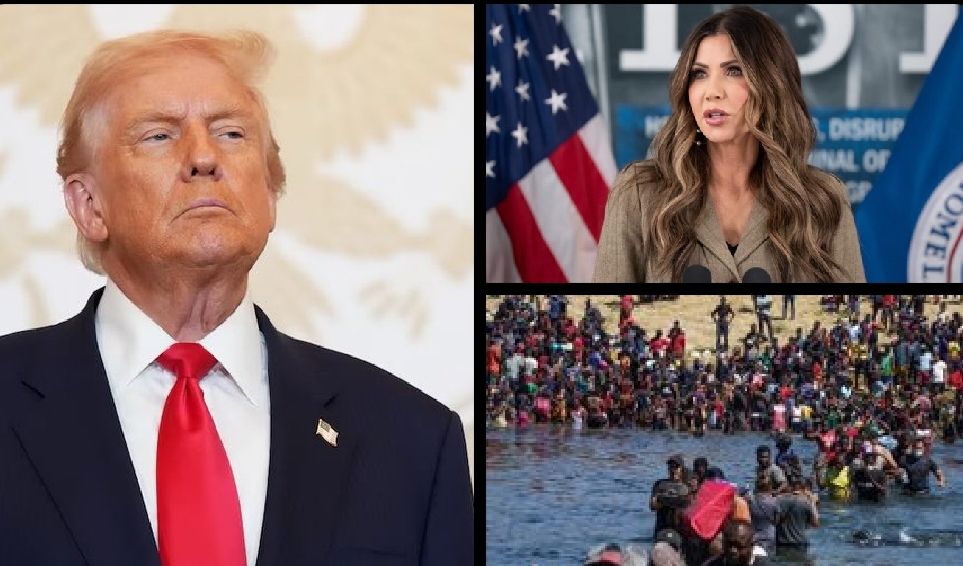
The U.S. government, under President Donald J. Trump and Kristi Noem, has officially ended the Temporary Protected Status (TPS) designation for Haitian nationals. As a result, more than 350,000 Haitians currently living under TPS in the United States will have to leave the country by February 3, 2026, or face deportation and potentially a lifetime ban on re-entry.
TPS had allowed these individuals, many of whom fled Haiti during earlier crises to live and work legally in the U.S., shielded from deportation until conditions back home improved. But after its periodic review, the U.S. government concluded that Haiti “no longer meets” the extraordinary conditions required for TPS protection, and so the designation is being revoked.
What This Means on the Ground For Thousands of Lives
For hundreds of thousands of people, this isn’t just about immigration status or paperwork. Over the years, many have built lives: working jobs, raising families, studying, investing in their future in the U.S. Now, unless they qualify for some other form of legal status, they face the prospect of uprooting everything. This could mean returning to a country many fled for fear of their lives, a return not many feel safe making.
Critics and human-rights advocates warn that the decision is deeply troubling. Their concern: ending TPS now is coming at a time when Haiti is far from stable. The country continues to face deep political fragility, widespread violence, and a humanitarian crisis conditions which first triggered TPS to begin with. Sending people back under such circumstances may put them at serious risk.
Haiti’s Crisis Remains Raising the Stakes of the Decision
Haiti has endured decades of political instability, natural disasters, economic collapse, and violent gang rule. Many Haitians in the U.S. came under TPS after some of the most intense periods of turmoil. Although some conditions may have changed, the root problems insecurity, instability, lack of safety and opportunity remain present for many. With gangs often controlling large parts of the country, many regions remain unsafe.
Even for people who might attempt to return, there are serious questions about what awaits them, will they find security, housing, or prospects for a stable life? For many, returning could feel like trading one precarious life for another.
Reactions Outrage, Fear, Appeals for Intervention
As word spreads, community leaders, immigrant-rights groups, and humanitarian organizations are reacting with alarm. Many call the move “inhumane,” arguing that it abandons people who sought refuge from chaos and are now being told to return to uncertainty. Some advocacy groups say this decision could lead to a massive humanitarian crisis one that may reverberate beyond U.S. borders.
At the same time, there’s growing pressure on lawmakers and courts activists are calling for urgent intervention: for extensions, exceptions, or new pathways to keep TPS-holders safe. There are expected legal challenges, and a possibility that Congress or the courts may step in to block or modify the decision before the February 2026 deadline.
What’s at Stake More Than Just Immigration Policy
This decision isn’t just about who gets to stay in the U.S. It will affect lives, families, communities. For thousands of refugees, it means deciding whether to return to a country they fled, start over in a third country, or attempt to stay in the U.S. under an entirely different and uncertain legal status.
It will also send a message about U.S. immigration and humanitarian policy: whether the country continues to uphold protections intended for people fleeing danger and instability, or whether such protections can be revoked even when their home country remains in deep crisis.
What’s Likely to Happen Next And What to Watch For
Legal challenges: Courts could block or delay the termination, or force deadlines to be reconsidered.
Political pressure: Advocacy groups may push Congress to create new protections or pathways for TPS-holders.
Humanitarian plight: A return of hundreds of thousands of Haitians to instability could trigger a larger crisis — both in Haiti and among diaspora communities.
Individual uncertainty: For TPS-holders, the next few months will be among the most stressful of their lives — navigating options, seeking legal advice, trying to secure a future.