WASHINGTON — The Pentagon has issued a new policy that will significantly limit the ability of transgender service members—those affected by the Trump administration’s renewed military ban—to appeal their separations and argue for the right to remain in uniform.
According to a memo obtained by The Associated Press, dated October 8 and signed by Anthony Tata, the Pentagon’s undersecretary for personnel and readiness, the new rules allow commanders to override decisions made by independent military separation boards—a sharp break from decades of precedent.
Under the previous policy, separation boards acted autonomously, offering troops a fair chance to make their case before peers. But the new guidance effectively strips that independence, allowing top commanders to dismiss board recommendations that favor allowing transgender troops to continue serving.
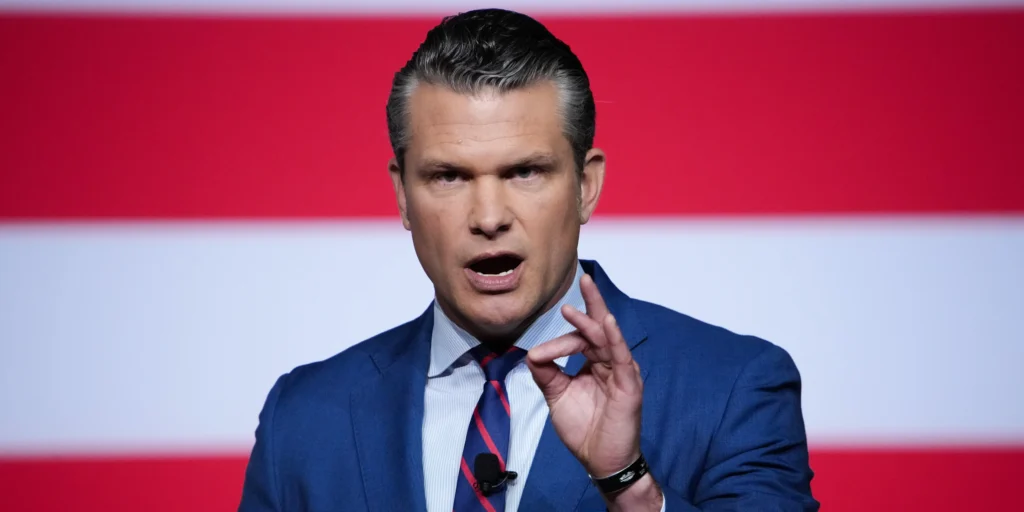
The move marks the latest step in the Trump administration’s broader rollback of diversity and inclusion initiatives within the armed forces. President Donald Trump and Defense Secretary Pete Hegseth have argued that these programs undermine military readiness and have vowed to refocus on what they describe as a “more lethal, mission-driven force.”
The administration’s transgender ban—revived earlier this year after being struck down during the Biden administration—has already faced intense legal and public backlash. Civil rights groups and veterans’ advocates argue the policy unfairly targets qualified and capable service members solely because of their gender identity.
While several lawsuits remain active, the U.S. Supreme Court in May allowed the policy to remain in effect while the legal challenges proceed, effectively permitting the ban to continue for now.
Advocates for transgender troops said the Pentagon’s latest directive deepens the harm. “This new rule eliminates one of the last fair processes available to trans service members,” said a spokesperson for the Modern Military Association of America. “It allows political appointees and commanders to overrule objective findings based on merit and service.”
Military analysts have warned that the move could weaken morale and discourage qualified individuals from enlisting. Since the original 2016 decision to allow transgender people to serve openly, studies have shown minimal impact on cost, cohesion, or readiness.
The Pentagon has not publicly commented on the memo or responded to questions about how many service members could be affected.
For now, the future of transgender service in the U.S. military remains uncertain, hinging on both the courts and the upcoming presidential election — which could determine whether this policy endures or is once again reversed.