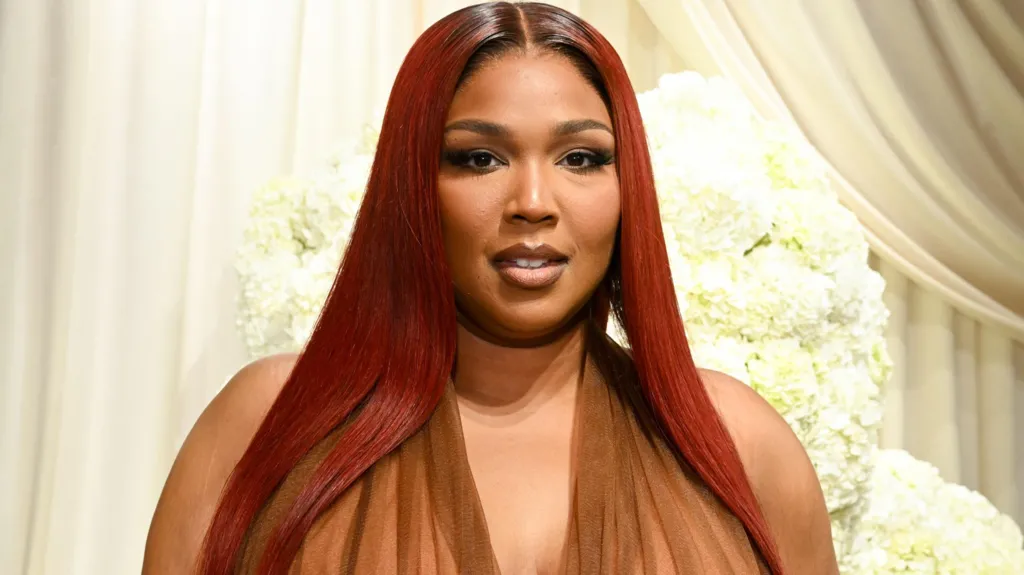
Pop superstar Lizzo has found herself at the center of another copyright dispute — this time over an unreleased song that became a viral talking point for referencing actress Sydney Sweeney and her controversial American Eagle jeans campaign.
The lawsuit, filed in California by the GRC Trust, accuses Lizzo of illegally sampling the 1970s soul track Win or Lose (We Tried), originally recorded by Sam Dees, without obtaining proper permission. The trust, which holds the rights to the song, claims Lizzo’s brief social media clip infringed on their copyright and led to “profits [she] would not have realized but for [the] infringement.”
The controversy began in August, when Lizzo posted a 13-second snippet of an as-yet-untitled track to social media. The clip featured her washing a Porsche in denim shorts and a top, while singing lyrics that referenced Sweeney’s jeans advertisement — a campaign some critics accused of promoting white supremacist undertones. Fans quickly dubbed the song “Good Jeans” or “I’m Goin’ In Till October.”
Despite the song never being released or monetized, GRC Trust argues that Lizzo benefited from the viral exposure. The company’s lawyers said they had tried to resolve the dispute informally but were “forced to file suit” after negotiations broke down. They are now seeking an injunction to block any further use of the track and a financial settlement equal to both their losses and Lizzo’s alleged profits.
A spokesperson for Lizzo expressed surprise at the lawsuit, insisting that the song had never been commercially exploited. “To be clear, the song has never been commercially released or monetized,” they said. “No decision has been made at this time regarding any future commercial release.”
The social media posts featuring the song have since been deleted, and the track has not been registered with any copyright or royalty societies in the U.S., further complicating the question of whether Lizzo profited from it in any way.
Much of the public reaction focused less on the music and more on the cultural debate surrounding Sweeney’s American Eagle campaign. The ad, featuring the blonde, blue-eyed actress alongside the slogan “Great Jeans,” was accused by some of promoting white beauty standards. Lizzo’s lyric — “I got good jeans like I’m Sydney” — was seen by some as mockery and by others as a tongue-in-cheek compliment.
The controversy escalated after right-wing commentators, including a Fox News pundit, denounced Lizzo’s post for promoting “woke outrage.” In response, the singer posted a parody video that mimicked Sweeney’s commercial with the caption: “Lizzo’s got good jeans.” The move was widely praised by her fans as a clever clapback, even catching attention from political figures such as former President Donald Trump, who weighed in on the debate.
This isn’t the first time Lizzo has faced copyright challenges. In 2019, three producers sued her over the hit song Truth Hurts, claiming it was based on a previous collaboration titled Healthy. That case was settled out of court. In a separate dispute, London-based artist Mina Lioness accused Lizzo of using her viral phrase “I just took a DNA test, turns out I’m 100% that bitch.” Lizzo eventually credited Lioness as a co-writer on the song.
Meanwhile, GRC Trust appears to be active in pursuing other copyright claims as well. The same company is currently suing Kanye West over his use of another Sam Dees song, Just Out Of My Reach, on his track Lord Lift Me Up.
As for Lizzo, the legal wrangling comes at a time when she has been relatively quiet musically following a series of controversies and lawsuits over the past year. While her team insists the Sydney Sweeney-inspired song was nothing more than a playful teaser, it now sits at the heart of a growing legal battle over who truly owns the music behind the moment.