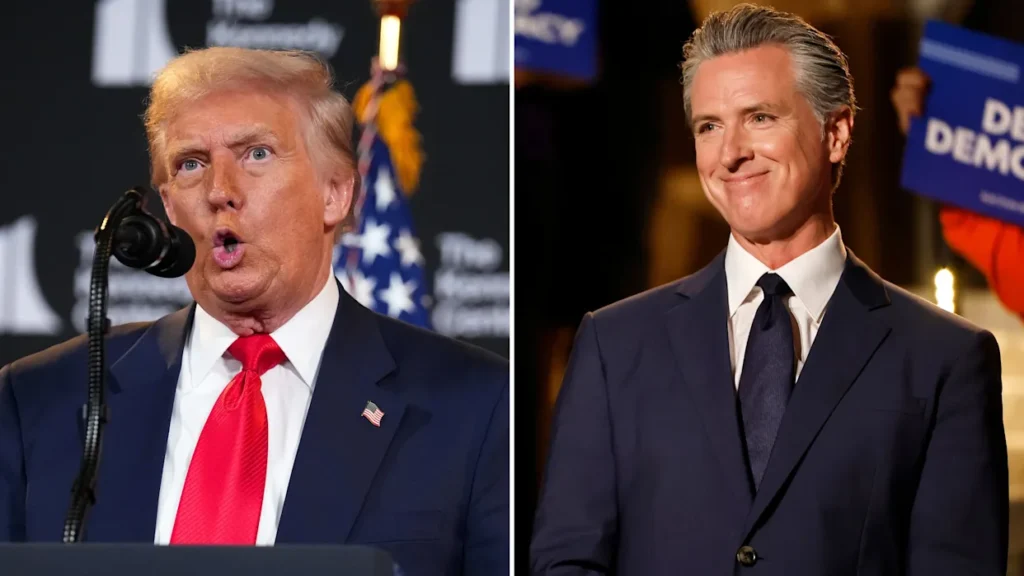
The controversy surrounding President Donald Trump’s recent remarks about acetaminophen, widely known as Tylenol, has drawn strong criticism from medical experts and families in the autism community. Trump warned pregnant women to avoid the pain reliever, claiming the U.S. Food and Drug Administration would
begin advising doctors that acetaminophen is linked to a “very increased risk” of autism. His message, delivered at the White House, was direct and alarming: “Don’t take Tylenol. Fight like hell not to take it.”
The backlash has been swift. Health Canada reiterated on Tuesday that acetaminophen remains a safe and recommended treatment for fever and pain during pregnancy, provided it is used at the lowest effective dose and for the shortest necessary time. The agency noted that untreated pain or fever can itself pose serious risks to both mother and fetus. The World Health Organization also dismissed the claims, stressing that decades of research have not established such a connection.

The remarks come months after U.S. Health Secretary Robert F. Kennedy Jr. vowed to uncover the “cause” of autism by September, despite scientific consensus that autism has no single cause and is influenced by a combination of genetic and environmental factors. Kennedy’s earlier claim that autism “destroys families” sparked outrage in the autism community, further compounded by Trump’s recent statements.
Among those speaking out is Katherine L’Etang of Maple Bay, B.C., who is autistic and raising two autistic children. She described the rhetoric as deeply hurtful, saying the language used by Trump and Kennedy was far more extreme than she ever expected. “At first, there was a lot of anger in the community,” she explained. “But then it shifted toward sadness, like—how are we here again? We’ve fought so hard for inclusion and acceptance, and now we’re back facing this awful rhetoric.”
For L’Etang, Kennedy’s assertion that autism “destroys families” was especially painful. She shared her own journey as a late-diagnosed autistic woman, learning of her diagnosis at age 31. Rather than being a tragedy, the discovery was life-changing and empowering. “Finding out that I was autistic was one of the best things that could have ever happened to me,” she said. “It explained why I had always felt different, why I struggled with mental health, and why I felt on the outside of society. Finally having a name for it answered everything.”
She believes that the words of political leaders like Trump and Kennedy not only misrepresent science but also perpetuate harmful stigma against autistic people and their families. To her, autism is not a curse or a family-destroying condition, but an important part of identity that deserves understanding, acceptance, and respect.