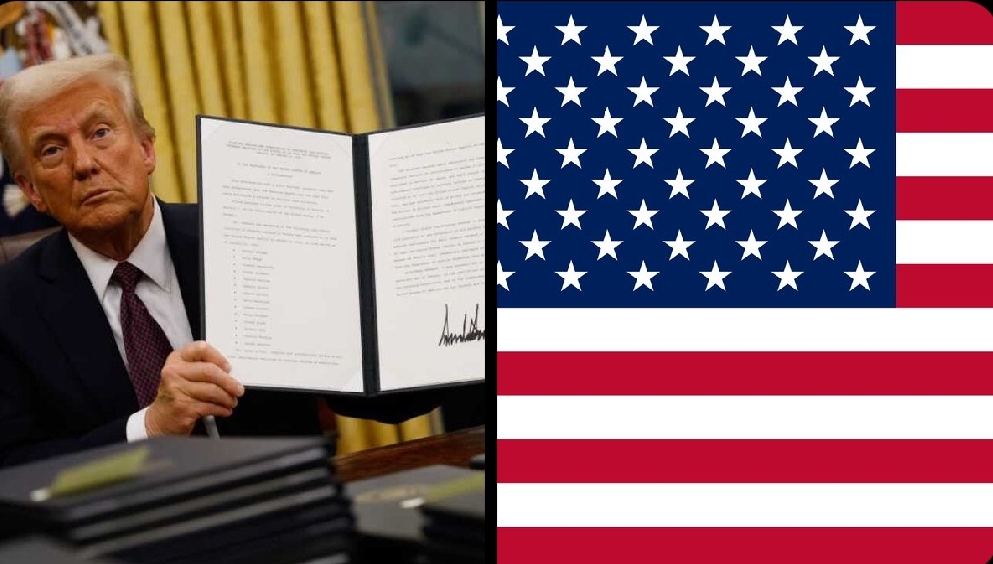
WASHINGTON, D.C. — President Donald Trump has signed a new presidential proclamation significantly expanding U.S. immigration and travel restrictions, reinforcing his administration’s hardline approach to border security and national safety. The move adds multiple new countries to the restricted list and tightens existing visa rules, while maintaining limited exceptions for lawful and national-interest cases.
According to the White House, the updated proclamation is aimed at strengthening vetting standards, reducing immigration fraud, and ensuring better cooperation from foreign governments on identity verification and information sharing.
What Changed Under the New Proclamation
The latest order adds Burkina Faso, Mali, Niger, South Sudan, and Syria to the list of countries facing new U.S. entry restrictions. These additions reflect what the administration describes as ongoing concerns related to security screening, documentation reliability, and enforcement cooperation.
The proclamation also upgrades restrictions on two countries Laos and Sierra Leone moving them from partial limitations to broader entry restrictions.
At the same time, the administration has chosen to continue partial restrictions on nationals from Burundi, Cuba, Togo, and Venezuela, citing persistent risk factors while stopping short of a full ban.
Visa Policy Adjustments
One notable change involves Turkmenistan. U.S. officials acknowledged recent cooperation and progress by the country, leading to the lifting of restrictions on non-immigrant visas such as tourism and business travel. However, the suspension of immigrant visas for Turkmen nationals remains in place.
In addition, the proclamation introduces partial entry limitations on 15 more countries, including Nigeria, Senegal, Tanzania, Angola, Zambia, Zimbabwe, and others, expanding the scope of the policy across Africa, the Caribbean, and the Pacific.
Exceptions and Safeguards
Despite the expanded restrictions, the order includes several key exemptions. Lawful permanent residents (green card holders), individuals who already hold valid U.S. visas, diplomats, athletes, and those whose entry serves U.S. national interests are not automatically barred. Case-by-case waivers also remain available.
The administration also narrowed certain family-based immigrant visa provisions, pointing to documented fraud risks, while still allowing discretionary approvals where appropriate.
Administration’s Rationale
The White House stated that the decision is rooted in national security concerns, emphasizing that the United States must be able to confidently verify the identity and background of those seeking entry. Officials argue that countries failing to meet these standards pose unacceptable risks and must face consequences until compliance improves.
Political Impact
Supporters of the policy praised the move as a decisive step toward ending what they view as unchecked migration and weak enforcement. Critics, however, argue the restrictions could strain diplomatic relations and unfairly impact ordinary travelers and families.
The administration maintains that the policy is flexible and subject to change, noting that countries demonstrating meaningful cooperation could see restrictions lifted in the future.