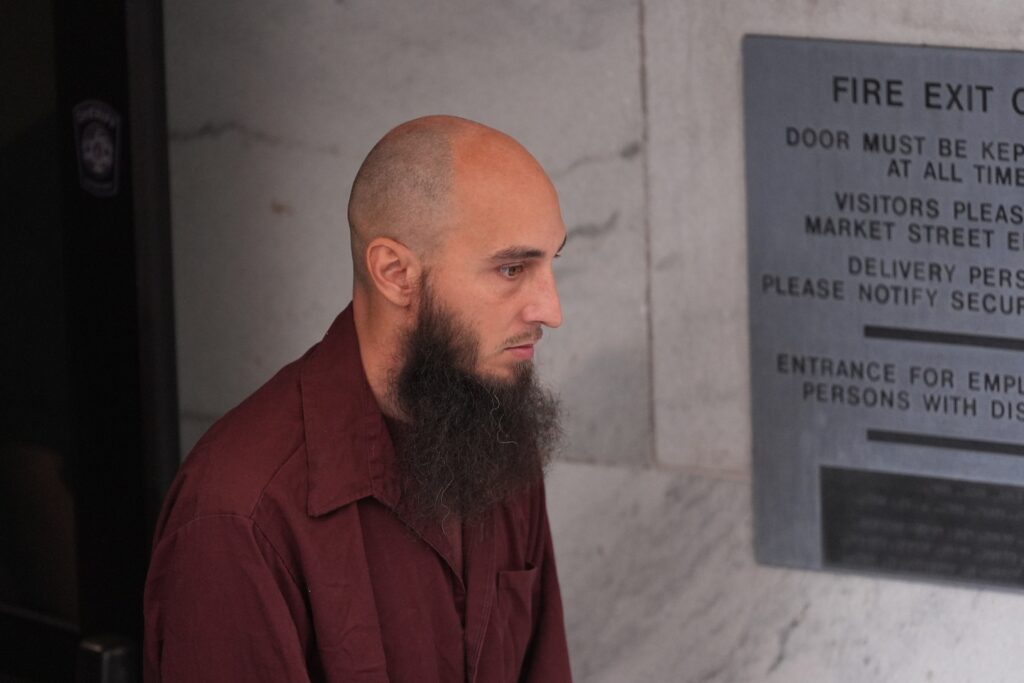
A man who broke into Pennsylvania Governor Josh Shapiro’s official residence and set it on fire earlier this year has pleaded guilty to attempted murder and arson. Prosecutors confirmed Tuesday that the suspect, 38-year-old Cody Balmer, reached a plea deal that will send him to state prison for a minimum of 25 years and a maximum of 50 years.
The shocking attack took place in April, on the first night of Passover, when Balmer scaled the fence surrounding the governor’s mansion. Inside the residence were 22 people, including the governor, his wife Lori, their four children, and several guests attending a family seder. The fire caused extensive damage to the historic property but was contained before it spread further.

After leaving the scene, Balmer called 911 to report what he had done. During that call, he admitted to setting the fire and explained that his actions were driven by political and religious anger. Investigators said Balmer, who reportedly struggled with untreated mental illness, claimed that he was motivated by the Israel-Gaza war and believed Governor Shapiro, who is Jewish, should stop supporting what he described as “the killing of Palestinians.”
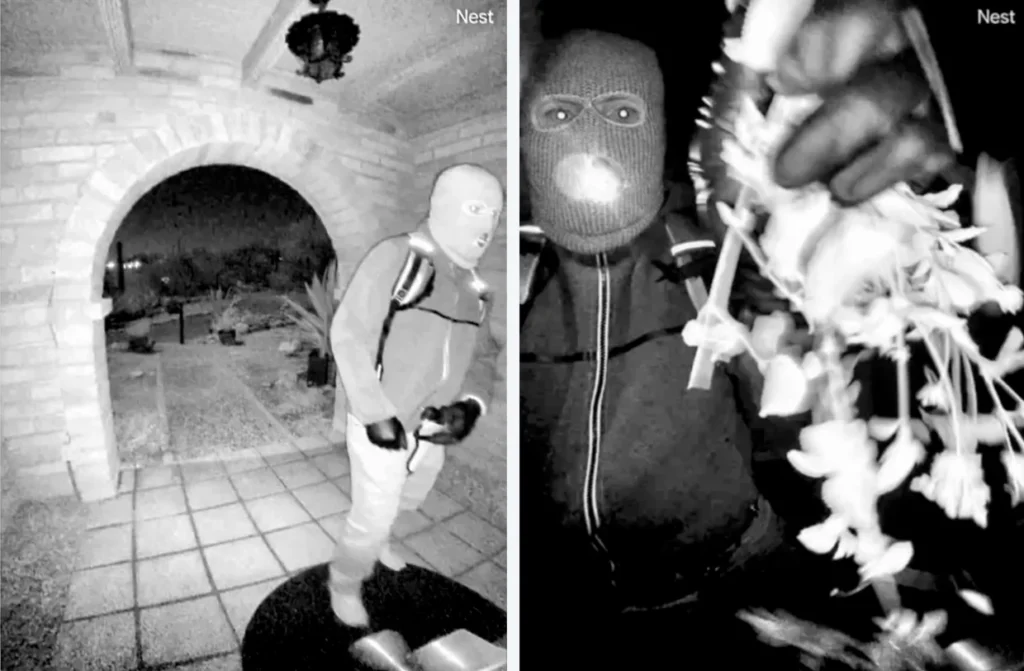
Authorities later discovered that Balmer had thrown multiple molotov cocktails inside the mansion. Surveillance footage captured him moving through hallways of the residence carrying a metal hammer, which he later told investigators he intended to use as a weapon against the governor.
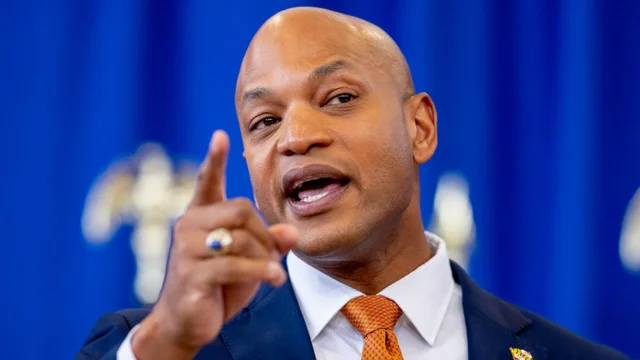
At a press conference on Tuesday, Gornor Shapiro appeared alongside his wife, Lori, and spoke candidly about the trauma his family has endured since the attack. “To be honest, Lori and I have struggled over the last six months to try and make sense of all of this,” he said. “The hardest part has been trying to explain it to our four children, to our nieces and nephews.”
Shapiro described the lingering fear and vulnerability his family feels living in the same home where the attack occurred. “It’s unsettling to walk through the corridors knowing that he was there,” Shapiro said. “We often think about the steps he took and where he roamed — those double doors that lead to our offices and where we sleep, those doors he tried to break through, that hammer he carried intending to kill me.”
As Shapiro spoke, his wife placed a comforting hand on his back, a gesture that captured the emotional weight of the ordeal. The governor paused for several moments, visibly shaken as he recalled the chilling details of that night.
Prosecutors said the plea deal was reached with full support from the Shapiro family. Balmer will be eligible for parole when he turns 63, but the governor made clear that no sentence can erase the scars left behind. “We will forever be changed by this,” Shapiro said. “We know that time will heal, but the scars will remain.”
The attack on the Pennsylvania governor’s mansion has been described as the most serious act of political violence against an elected official since the assassination attempt on former President Donald Trump during the 2024 presidential campaign. Authorities and political observers have pointed to the case as another sign of escalating hostility toward public officials in a polarized nation.
Shapiro urged the public not to become desensitized to political violence or threats against public servants. “It’s important that we don’t grow numb to this,” he said. “This kind of violence cannot become normal, no matter who it targets or what the motive may be.”
Despite the trauma, Shapiro vowed to continue serving the people of Pennsylvania with the same dedication. “We’re not going to be intimidated or silenced,” he said. “Our family’s commitment to this state and to public service remains strong.”
Governor Shapiro, who is seen as a potential Democratic contender for the 2028 presidential election, has been both praised and criticized within his party for his outspoken support of Israel and condemnation of pro-Palestinian protests on college campuses. Those views, while aligning him with more centrist Democrats, have drawn backlash from progressive groups.
For now, Shapiro said his focus remains on healing and gratitude. “We are thankful to law enforcement and to everyone who helped bring this case to a close,” he said. “Justice has been served, and my family and I are ready to move forward — stronger, together.”