Democrats are seizing on the ongoing government shutdown fight to blame Republicans for what they call an attack on Americans’ health care. At the center of the dispute is whether to extend enhanced Obamacare subsidies first created during the COVID-19 pandemic.
The subsidies, introduced by Democrats under President Joe Biden without Republican support, temporarily expanded tax credits to make Affordable Care Act plans more affordable. Democrats argue the GOP’s refusal to extend them amounts to stripping “millions” of Americans of health coverage.
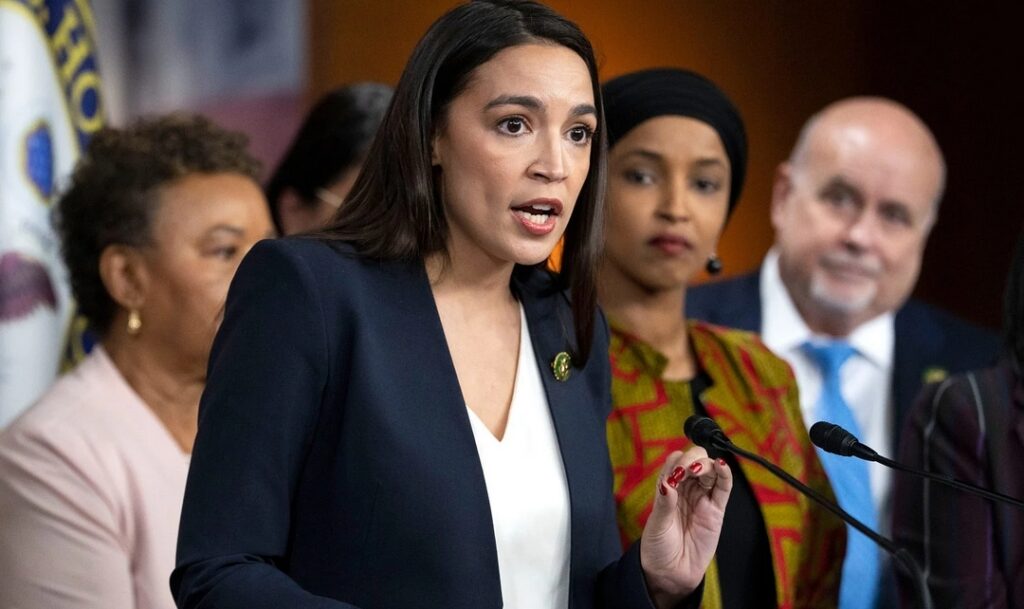
Progressives including Rep. Alexandria Ocasio-Cortez, D-N.Y., and Sen. Bernie Sanders, I-Vt., have accused Republicans of choosing billionaires over working families. “We believe healthcare is a right for every American. But starting today, millions will get notice that they are being priced out of their insurance due to Republican policies,” Ocasio-Cortez said in a joint video with Sanders.
Senate Majority Leader Chuck Schumer echoed that message, warning from the Senate floor that Republicans’ actions would drive up costs for families while rewarding the wealthy. “It happened because our Republican colleagues wanted to give tax breaks to billionaires and cut their healthcare,” Schumer said.
Sen. Elizabeth Warren, D-Mass., went even further, claiming that losing the subsidies could lead to “over 50,000 more people” dying each year. Democrats argue the subsidies are not only cost-saving but also life-saving for millions of lower- and middle-income Americans.
Republicans, however, say the Democrats are misrepresenting the issue. They argue the enhanced subsidies were never meant to be permanent and were only passed as part of pandemic relief spending. According to GOP lawmakers, continuing them now would worsen waste, fraud, and abuse in the health care system.
Sen. Mike Lee, R-Utah, described the subsidies as “responsible for tens of billions in improper and fraudulent payments.” Conservative policy experts back that view, saying the subsidies don’t actually reduce the underlying cost of health care but only shift more of the burden to taxpayers.
The Congressional Budget Office estimates that permanently extending the subsidies would cost around $350 billion over the next decade. James Capretta, a fellow at the American Enterprise Institute, wrote that the longer the credits stay in place, the harder they will be to roll back. “A more straightforward and fiscally sustainable solution would be to lower overall healthcare costs,” Capretta argued.
Similarly, Edmund Haislmaier, a senior fellow at the Heritage Foundation, has argued that subsidies don’t control premiums at all. Instead, he said, they hide the true cost from enrollees. “Extending the temporary bump-up in Obamacare subsidies by three more years will pointlessly throw another $64 billion onto the inflation bonfire in exchange for virtually no societal benefit,” he wrote.
Brian Blase, president of the Paragon Health Institute and a former White House economic advisor, also pushed back on Democrats’ claims that Republicans are driving premiums higher. “The premium increase will hit regardless of what Congress does. The question is the share that should be paid by taxpayers,” he said, warning that pouring more subsidies into the system entrenches high prices.
Estimates cited by Democrats suggest that without congressional action, Obamacare premiums could jump by as much as 75%. That figure has fueled the urgency behind their calls, but Republicans insist that subsidies only mask rising costs rather than solving them.
The fight over subsidies is unfolding as part of a broader clash over government spending that has triggered a partial shutdown.
Democrats say the GOP is holding health care hostage, while Republicans argue Democrats are risking a shutdown to defend what they call a broken system.
For Democrats, the political strategy is clear: frame the GOP as cutting off health coverage for millions at a time of economic strain. For Republicans, the counterargument is that Democrats are clinging to temporary COVID programs and driving the nation deeper into debt.
At its core, the debate raises a deeper question: should Washington focus on subsidizing high insurance costs, or tackling the root causes of why American health care remains so expensive? Until that question is answered, the Obamacare subsidy fight is likely to remain a flashpoint in both budget negotiations and the broader 2024 campaign.