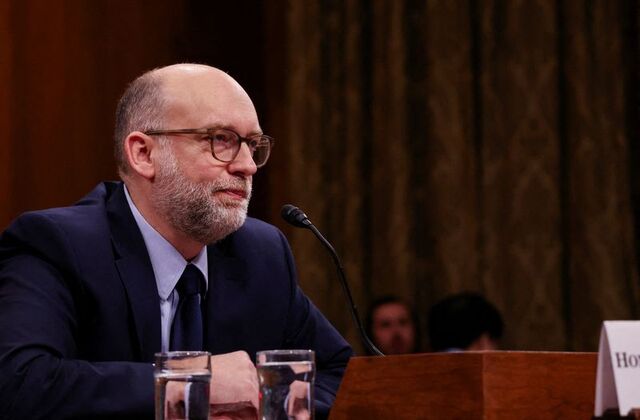
The Trump administration has announced a freeze on $2.1 billion worth of infrastructure projects in Chicago, escalating tensions as the government shutdown enters its third day. The move was disclosed Friday by Office of Management and Budget Director Russell Vought in a social media post.
According to Vought, the projects impacted include the Chicago Transit Authority’s Red Line Extension and the Red and Purple Modernization Project, two major undertakings meant to expand service and modernize the city’s rail system. Both initiatives have been in the planning stages for years and are seen as crucial for addressing transit challenges in the nation’s third-largest city.
Vought said the decision was made to ensure federal dollars are not distributed under what he described as “race-based contracting.” He did not elaborate on what specific contracting practices prompted the action but indicated that further details would be provided by the Department of Transportation.
The announcement comes on the heels of two other funding freezes that have primarily affected Democrat-led states and cities. Earlier this week, Vought revealed that $18 billion in federal funding for two infrastructure projects in New York City had been put on hold. Hours later, he said the Department of Energy had cancelled nearly $8 billion in projects spanning 16 states, all of which supported Democratic nominee Kamala Harris in the 2024 presidential election.
The cumulative impact of these freezes represents a dramatic reallocation of federal resources at a time when the government shutdown has already disrupted operations nationwide. With federal employees furloughed and negotiations between the White House and congressional leaders stalled, critics argue the administration’s actions further politicize critical funding decisions.
Chicago officials have yet to issue a full response, but transportation advocates warned that halting progress on the Red Line Extension could significantly delay long-awaited improvements to the city’s South Side transit infrastructure. The project has been touted as vital for improving mobility, reducing commute times, and expanding economic opportunity in historically underserved neighborhoods.
Meanwhile, the Red and Purple Modernization Project—another multibillion-dollar investment—was designed to overhaul aging infrastructure and increase service capacity along some of the busiest commuter corridors. With federal backing now uncertain, planners fear timelines could be pushed back indefinitely.
The White House has framed the funding freezes as part of a broader effort to “ensure accountability” in federal spending, particularly around contracting rules. Supporters argue the moves protect taxpayers and uphold fairness in bidding practices. However, opponents contend that the timing and political targeting suggest the measures are retaliatory, aimed squarely at Democratic strongholds.
The freeze also underscores the deepening rift between the Trump administration and Democratic leaders, who have blamed the president for the shutdown while demanding that he return to the negotiating table. Congressional Democrats accused the administration of using infrastructure funding as a political weapon, further complicating bipartisan cooperation on long-term national investments.
In Chicago, the decision adds uncertainty for residents and local leaders already contending with budget pressures and ongoing debates over equity in city services. Transit advocates have stressed that halting work on these projects not only threatens job creation but also risks stalling economic development across multiple neighborhoods.
As the shutdown drags on, the broader implications of these targeted freezes remain unclear. With billions of dollars in federal commitments now in limbo, the administration’s actions could reshape infrastructure priorities nationwide, potentially delaying or derailing projects that communities have been counting on for years.
Whether the funding will ultimately be restored depends on political negotiations still unfolding in Washington. For now, the fate of Chicago’s largest transit upgrades hangs in the balance, caught in the crossfire of a high-stakes budget standoff and partisan clash over federal spending.