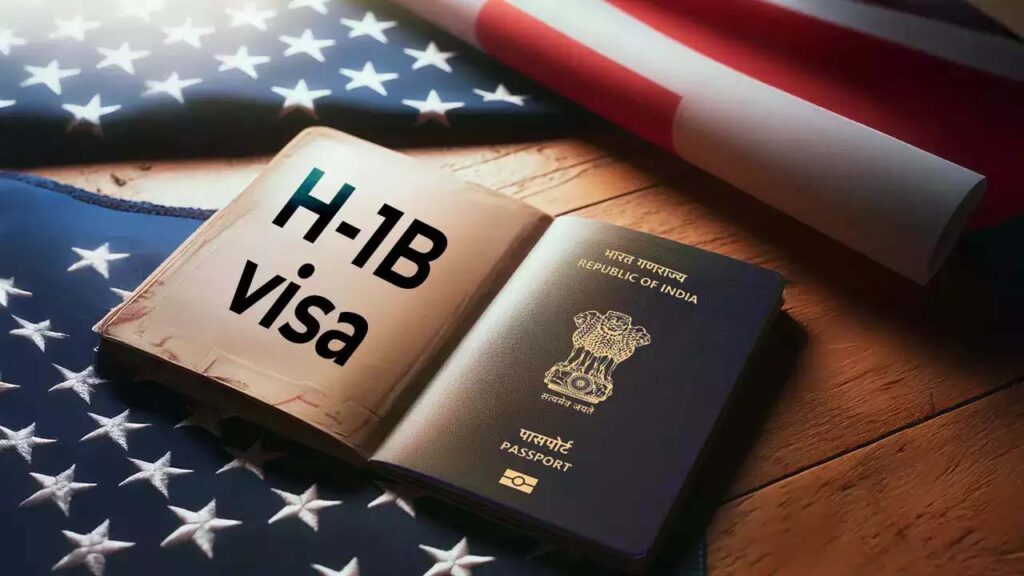
WASHINGTON, D.C. — President Donald Trump is expected to sign a proclamation as soon as today that would require a $100,000 application fee for H-1B visas. This move, reported by multiple outlets citing administration officials, marks one of the most dramatic shifts in U.S. work visa policy in recent history.
The H-1B program, which allows U.S. employers to hire highly skilled foreign workers in fields like technology, engineering, and research, has long been a cornerstone of America’s global talent pipeline. By introducing such a steep fee, the administration is signaling its intent to curb what it sees as overuse and misuse of the program.
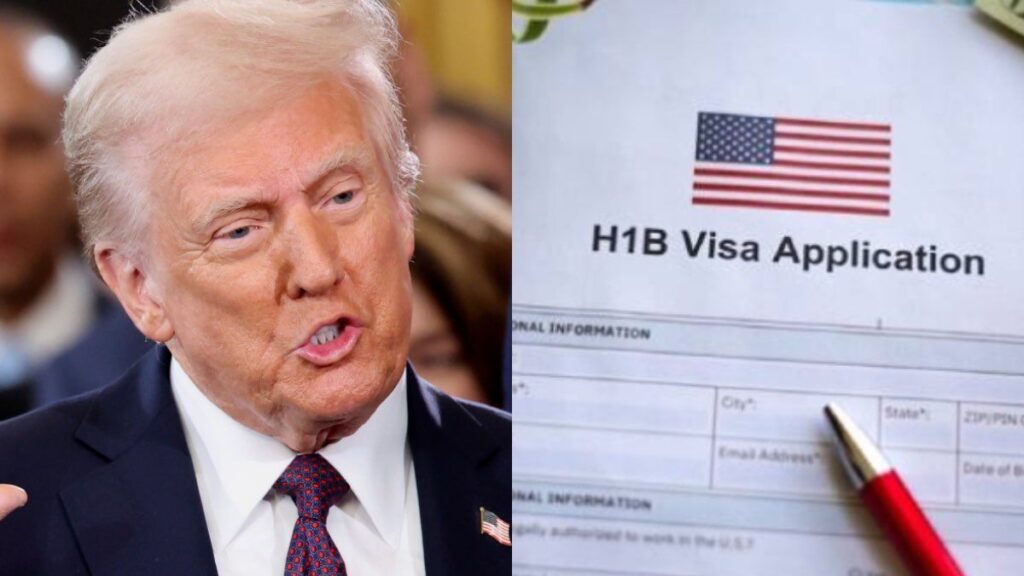
According to reports, the fee would apply across all H-1B applications and could take effect immediately after the proclamation is signed. In addition, the White House is preparing to change how “prevailing wages” are calculated, making it harder for employers to hire foreign workers at lower pay scales compared to their U.S. counterparts.
The Trump administration argues that these changes are necessary to protect American jobs and ensure that companies are not undercutting U.S. wages. By making the program more expensive, officials believe employers will be forced to hire locally before turning to foreign labor.
However, the proposal is sparking strong concerns from the technology sector, universities, and other industries that depend heavily on international talent. A $100,000 fee could make it nearly impossible for small and mid-sized businesses, as well as startups, to use the program. Critics warn this could drive innovation abroad and push highly skilled workers to countries with friendlier immigration policies.
Legal and logistical questions also loom large. It is unclear whether the administration has the authority to impose such a fee unilaterally, or how the payment would fit with existing visa costs. Exemptions for nonprofits, research institutions, and universities have not yet been confirmed, leaving uncertainty for major employers of H-1B workers.
If enacted, this policy would represent a fundamental change in how the U.S. manages skilled immigration. While supporters see it as a bold step to protect American workers, opponents believe it risks isolating the United States from the global talent pool that has fueled much of its economic growth and technological leadership.