WASHINGTON — Hours after the assassination of conservative activist Charlie Kirk, FBI Director Kash Patel declared online that “the subject” in the killing was in custody. The statement was false. The two men who had been detained were quickly released, and Utah officials later acknowledged that the gunman remained at large. The premature assurance was more than a slip — it spotlighted the high-stakes uncertainty surrounding Patel’s leadership of the bureau at a moment when both his credibility and that of the FBI are under extraordinary pressure.
Patel now heads into congressional oversight hearings this week facing not only questions about the Kirk investigation but also broader doubts about whether he can stabilize a federal law enforcement agency deeply divided by political fights and internal upheaval. Democrats are expected to press him on a purge of senior executives that triggered a lawsuit, his pursuit of former President Donald Trump’s grievances long after the Russia investigation ended, and his decision to realign resources toward illegal immigration and street crime, a shift away from the FBI’s long-standing focus on counterintelligence and public corruption.
Lawmakers also plan to raise questions about the handling of Jeffrey Epstein case files, the unusual appointment of a co-deputy director alongside Dan Bongino, and the use of polygraphs on some agents to root out leaks. Republicans, by contrast, are likely to defend Patel or turn attention toward the bureau’s critics.
The hearings, set for Tuesday and Wednesday, will be Patel’s most consequential test yet as he attempts to reassure a wary public that the FBI can avoid compounding its mistakes in an era of political violence and distrust. “Because of the skepticism that some members of the Senate have had and still have, it’s extremely important that he perform very well at these oversight hearings,” said Gregory Brower, a former FBI executive who once served as the bureau’s top congressional affairs official. The FBI itself has declined to comment on Patel’s upcoming testimony.
The hearings, set for Tuesday and Wednesday, will be Patel’s most consequential test yet as he attempts to reassure a wary public that the FBI can avoid compounding its mistakes in an era of political violence and distrust. “Because of the skepticism that some members of the Senate have had and still have, it’s extremely important that he perform very well at these oversight hearings,” said Gregory Brower, a former FBI executive who once served as the bureau’s top congressional affairs official. The FBI itself has declined to comment on Patel’s upcoming testimony.
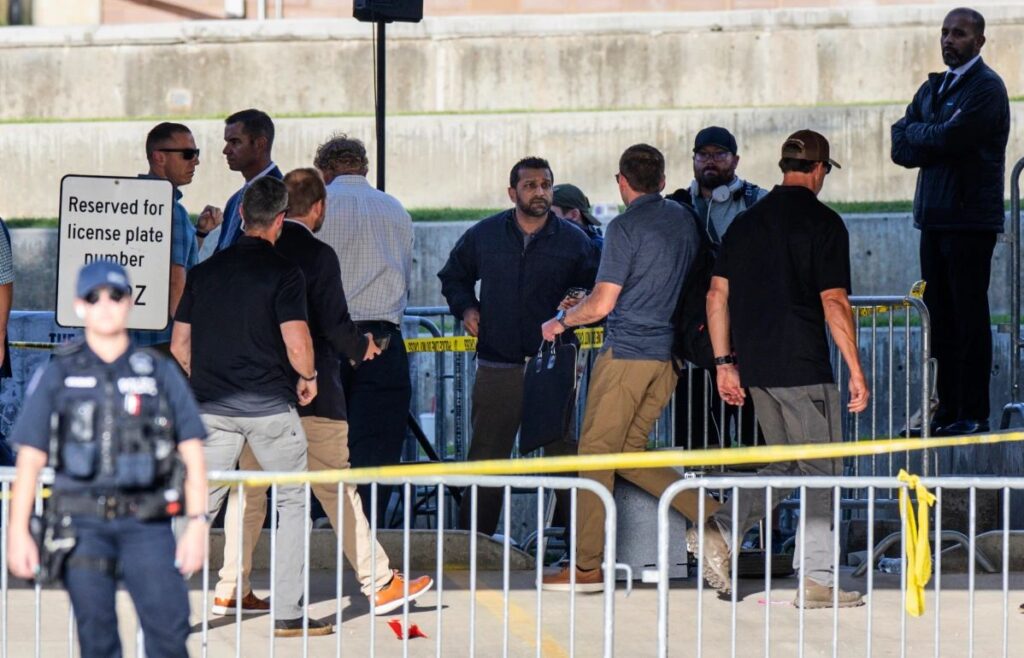
Kirk’s killing was destined to draw intense scrutiny, not only because it marked another outbreak of political violence in the United States but also because of the victim’s close ties to Trump, Patel, and other administration allies. Yet Patel’s handling of the early stages of the investigation fueled confusion. While agents in Salt Lake City pursued leads, his official account on the platform X announced that the suspect was already in custody. At nearly the same time, Utah Gov. Spencer Cox told reporters, “Whoever did this, we will find you,” clearly suggesting authorities were still searching. Soon afterward, Patel conceded that the detained individuals had been released.
The contradiction alarmed current and former officials. “That does not deliver the message that you want the public to hear,” said Chris O’Leary, a retired FBI counterterrorism executive. “It had the opposite effect. People start to wonder what is going on. This looks like the Keystone Cops and it continues to get worse.” The following day, a planned afternoon news conference was abruptly canceled for “rapid developments” as Patel and Bongino flew to Utah. The briefing was eventually held that evening, though Patel chose not to speak.
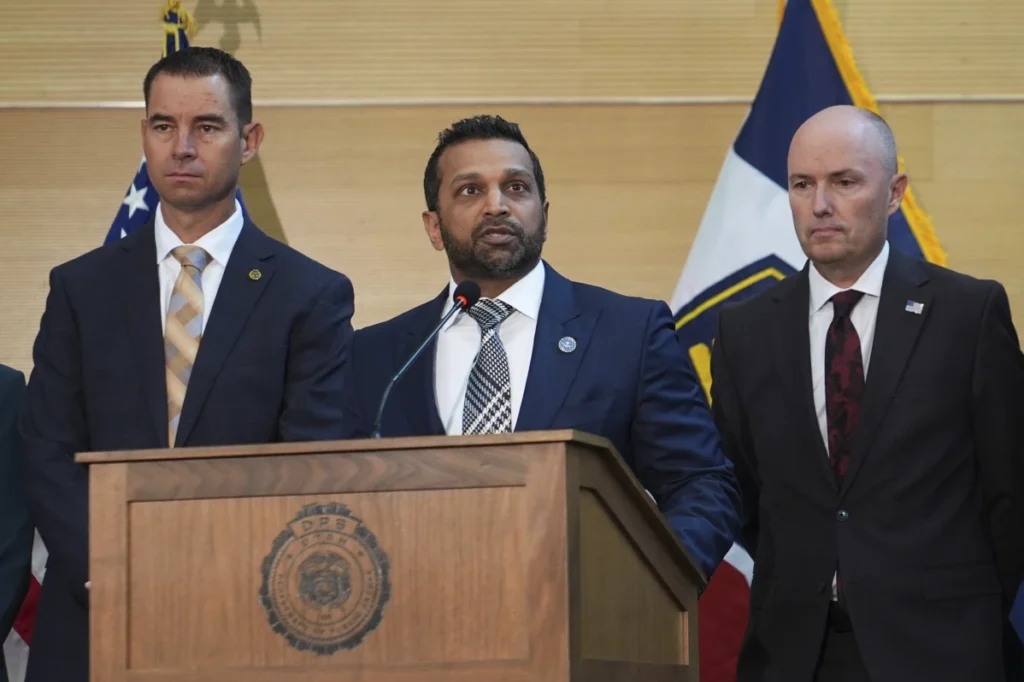
As the search dragged on, Patel grew frustrated, venting to FBI staff about being kept out of the loop, including not being shown a photo of the suspected shooter quickly enough. According to two people familiar with the matter, Patel expressed anger at what he viewed as lapses in communication. By Friday, authorities announced the arrest of 24-year-old Tyler Robinson, and Patel, appearing at a news conference, claimed credit for directing the release of the FBI’s first photos of the suspect.
The bureau defended its handling of the case, issuing a statement that it had worked closely with local law enforcement to bring the suspect to justice and “will continue to be transparent with the American people.” Still, Patel’s response has not gone unnoticed in conservative circles. Christopher Rufo, a prominent strategist, wrote on X that it was “time for Republicans to assess whether Kash Patel is the right man to run the FBI.” With Patel now preparing to face lawmakers, his leadership is under sharper scrutiny than ever.